
Watches
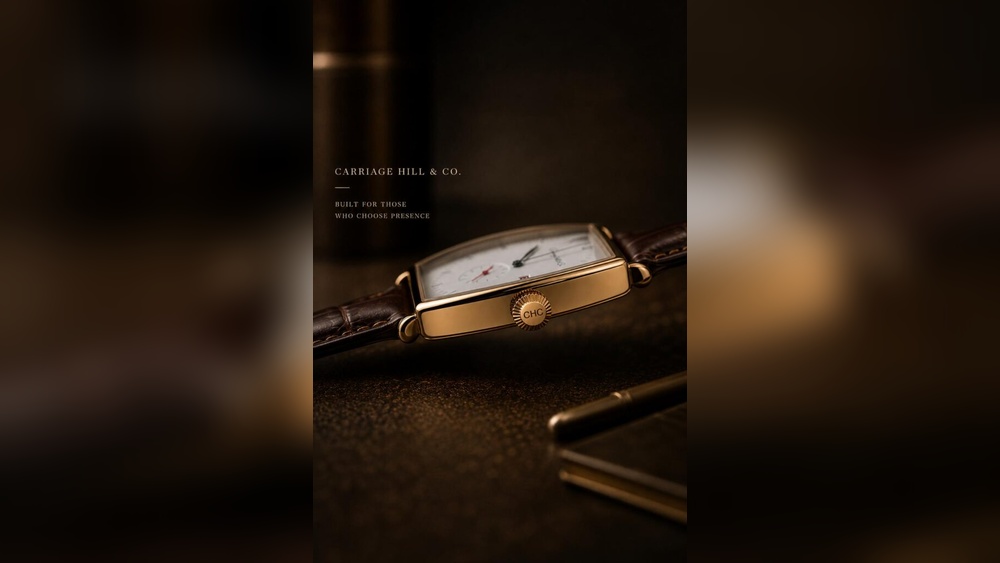
Carriage Hill Traveller Timepiece: Timeless Elegance Unveiled
The story of the Carriage Hill Traveller Timepiece is not just about a watch—it is about the art of travel,
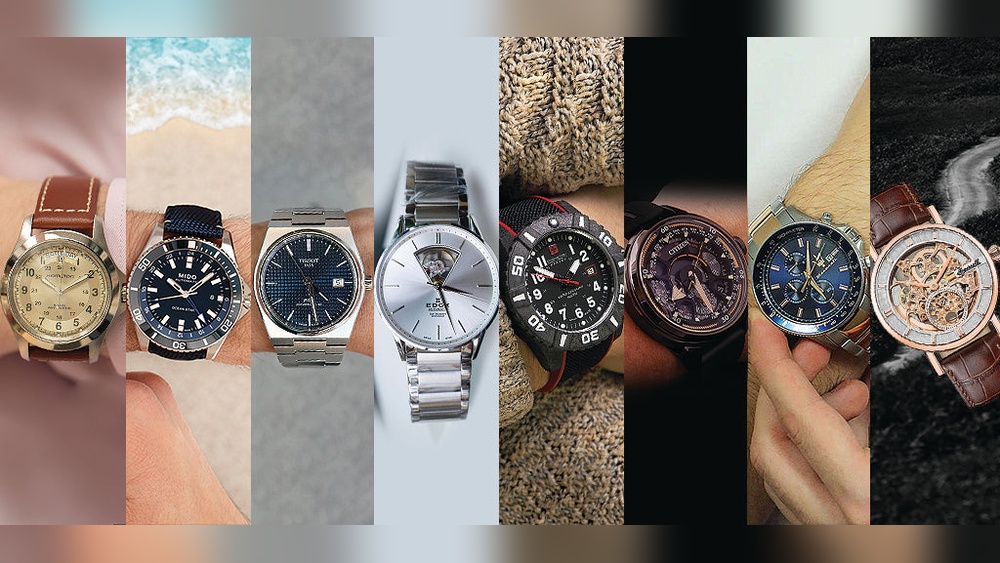
Luxury watches are more than just time-telling devices—they are symbols of status, taste, and achievement. For young professionals, choosing the right luxury watch can open new doors, boost confidence in business meetings, and even serve as a smart investment. In this ultimate guide, you’ll discover the 7 best luxury watches for young professionals, how to choose the perfect model, and insider tips on buying, caring, and styling your timepiece. Whether you’re making your first big purchase or adding to your collection, this resource will help you make a wise and stylish choice.
—
For young professionals, a luxury watch is more than just an accessory. It is a statement about who you are and what you value. In fast-paced industries where first impressions count, the right watch can speak volumes before you even say a word.
Why do young professionals choose luxury watches?
Non-obvious insight: Some young professionals believe all luxury watches are flashy. In reality, many brands offer understated designs that look elegant in any setting—from the boardroom to a casual dinner. For example, a simple stainless steel watch is just as impressive as a gold one, but less obvious.
Another hidden benefit: Wearing a luxury watch can subtly boost your self-confidence. When you know you’re wearing a quality timepiece, it often translates into better body language and a stronger presence. Even in stressful meetings or presentations, a luxury watch can remind you of your achievements and help you feel more in control.
Many young professionals overlook the watch’s role in personal branding. Your choice of watch can show your attention to detail, your sense of style, and your commitment to quality. Unlike other accessories, a luxury watch is rarely out of place—it fits in almost every professional environment.
—
Choosing the right luxury watch is a personal decision. Here are 7 of the best luxury watches for young professionals in 2024, selected for their style, versatility, brand reputation, and investment potential.
Rolex’s Oyster Perpetual is often the first luxury watch for many young professionals. Its history goes back decades, and it is known for reliability. It is not too large or flashy, so it fits well in both business and social settings.
The watch’s value holds steady, and its service network is global, making repairs and maintenance simple.
The Aqua Terra is a great choice for those who travel or work in different environments. Its anti-magnetic feature is useful in modern offices with lots of electronics. The watch is easy to read, comfortable, and available in several dial colors.
It is also respected among watch collectors, making it a safe investment.
The Carrera’s chronograph feature is not just for racing fans—it is practical for timing meetings or workouts. The watch is durable and stylish, with a sporty edge that appeals to younger buyers. Its price is also more accessible, making it a good entry point into luxury watches.
Cartier’s Tank Must is recognized for its elegance. The rectangular case makes it stand out, but in a subtle way. Many creative professionals wear this watch to express individuality without being loud. The leather strap is comfortable and stylish, and the Roman numerals add a classic touch.
The watch’s slimness is perfect for formal wear.
Breitling Navitimer is popular among professionals who enjoy storytelling and history. The slide rule bezel is unique, and even if you never use it, it shows technical sophistication. The 41mm size is balanced, and the chronograph feature is useful for timing tasks.
This watch stands out in a crowd but remains professional.
The Snowflake is admired for its artistry. The dial is inspired by Japanese snow, creating a subtle but beautiful texture. The Spring Drive movement is smooth and accurate, and the titanium case is both strong and light. This watch is a favorite among those who want something different from Swiss brands.
IWC’s Pilot’s Watch Mark XVIII is minimalistic but robust. The clear dial and anti-magnetic case make it practical in offices with lots of electronics. The calfskin strap is comfortable and easy to replace. IWC’s service is reliable, so you can trust your watch for years.
Here’s a quick comparison of these top choices:
| Brand & Model | Price Range (USD) | Main Feature | Best For |
|---|---|---|---|
| Rolex Oyster Perpetual | $6,000–$8,000 | Timeless design | All occasions |
| Omega Seamaster Aqua Terra | $5,500–$7,500 | Sporty elegance | Versatility |
| Tag Heuer Carrera | $3,500–$6,000 | Motorsport style | Dynamic professionals |
| Cartier Tank Must | $3,000–$5,000 | Classic dress watch | Creative fields |
| Breitling Navitimer 41 | $5,000–$8,000 | Aviation heritage | Storytelling |
| Grand Seiko SBGA211 | $6,000–$7,500 | Unique dial | Collectors |
| IWC Pilot’s Watch Mark XVIII | $4,000–$5,500 | Simplicity | Minimalists |
—
Buying your first luxury watch is exciting, but there are important things to consider. Here’s what really matters:
Think about your salary, expenses, and savings. Never stretch your finances for a watch—there are great options in every price range. It’s better to start with a watch you can afford than regret a purchase later. Remember, luxury is not only about price but also about quality and reputation.
Tip: Some brands like Tag Heuer or Tudor offer high quality at a lower price compared to Rolex or Patek Philippe. You can find well-made watches under $4,000 that still impress.
Consider how and where you’ll wear the watch. Professionals who wear suits daily may prefer a dress watch like the Cartier Tank, while those with an active lifestyle may like a sporty model such as the Omega Seamaster. If you travel often, a GMT function can be useful.
Ask yourself: Do you need a watch for formal events, or do you want something for everyday use? Dress watches are slim and elegant, while sport watches are tougher and have extra functions.
The right size should look balanced on your wrist. Most young professionals choose watches between 38mm and 41mm. Try before you buy if possible. If you have a smaller wrist, avoid watches over 42mm—they can look bulky and uncomfortable.
When trying on watches, notice how they fit under your shirt cuff. A big watch may catch on clothing and feel awkward.
If you love the idea of traditional watchmaking, an automatic or manual movement is best. If you want easy care, quartz is a smart choice.
Brands like Rolex, Omega, and Grand Seiko are known for quality and service. Research the brand’s history and reviews. Some brands have been making watches for over a century. Look for brands that offer strong warranties and good customer service.
Read forums and watch blogs to learn how brands handle repairs and how long their watches last.
Some watches hold their value better than others. Rolex, for example, has a strong resale market. This is important if you may want to upgrade later. Watches from brands like Patek Philippe and Audemars Piguet are also known for rising value.
If you are buying a watch mainly for personal use, resale may not matter. But if you want your watch to be a future asset, choose brands and models with high demand.
Always try the watch on your wrist before buying. A watch that looks good in photos may feel too heavy or large in person. Check if the strap is comfortable and if the watch fits your lifestyle.
Some stores offer virtual try-ons or home trials. Use these options if you shop online.
This is essential to avoid fakes and get a proper warranty. Never buy a luxury watch from unknown sources. Authorized dealers can also explain the features and offer after-sales support.
If buying pre-owned, choose reputable dealers who provide authenticity certificates and service history.
Non-obvious insight: Many first-time buyers ignore the importance of after-sales service. Always check if the brand has service centers near you.
—
Understanding the main features of luxury watches helps you choose wisely.
| Type | How It Works | Pros | Cons |
|---|---|---|---|
| Quartz | Battery-powered, uses quartz crystal | Very accurate, low maintenance | Less traditional, lower prestige |
| Automatic | Self-winding, powered by wrist movement | Prestige, no battery needed | More maintenance, can stop if unworn |
| Manual | Wound by hand | Classic feel, craftsmanship | Needs daily winding |
| Spring Drive | Hybrid, used by Grand Seiko | High accuracy, smooth motion | Unique to Seiko, can be costly |
Non-obvious tip: A stainless steel watch is often better for young professionals than gold—it’s less flashy and fits more dress codes. Gold watches can attract unwanted attention or look out of place in some offices.
Pro insight: Many watches allow you to switch straps, making one watch fit many occasions. Consider buying extra straps for different events.
Most luxury watches offer some water resistance, but check the rating:
Even with water resistance, avoid hot water (like saunas) as it can damage seals.
Choose only the features you’ll use. More features often mean a thicker case and higher price.
Hidden insight: Watches with many complications (extra functions) are harder and more expensive to service.
—
A luxury watch can be more than a personal accessory—it may also be a smart investment. But not every watch grows in value.
If you plan to wear the watch daily and don’t care about resale, focus on comfort and style. Investment watches often need to be kept in pristine condition, which can limit everyday use.
Non-obvious insight: Entry-level luxury watches from brands like Tag Heuer or Longines rarely appreciate, but they offer quality and reliability for daily wear. These watches are ideal if you want something stylish without worrying about future value.
Most watches lose some value after purchase, but may rise over time. On average, a Rolex or Patek Philippe can gain 5–10% per year over a decade, but only if kept in excellent condition.
The market can change, so never rely on a watch as your only investment. Watches are best enjoyed for their craftsmanship and style.
For more details on watch investment trends, visit the Chrono24 Magazine.
—
Proper care keeps your luxury watch looking and working like new.
Luxury watches need professional servicing every 3–5 years. This keeps the movement clean and accurate. Only use authorized service centers.
During servicing, the watchmaker cleans, lubricates, and checks the movement. They also test water resistance and replace worn parts.
If your watch is water-resistant, have the seals checked every 2 years. Gaskets can dry out, making the watch vulnerable to leaks.
If you swim often, check seals yearly. Water damage is expensive and can ruin the movement.
Insider tip: Replace straps when they look worn—this keeps your watch looking fresh without a major expense. New straps can change the look of your watch and extend its life.
Non-obvious tip: Many young professionals forget to check the clasp. Make sure it clicks securely to avoid losing your watch.
—
A luxury watch should complement your style, not overpower it. Here’s how to wear your watch with confidence in professional settings.
Try to coordinate your watch with your shoes or tie color for extra polish.
Adjust bracelets or straps as needed for a perfect fit.
Don’t wear oversized or flashy watches to interviews or first meetings. Subtle elegance is more impressive. Watches with simple dials and classic colors work best.
Swap between leather and metal straps based on the occasion. A simple strap change can make your watch more formal or more relaxed.
For example, use a metal bracelet for daily wear and a leather strap for formal events.
If you wear a ring or bracelet, keep them simple. The watch should be the main highlight.
Avoid stacking multiple bracelets with your watch—they can scratch the case and distract from the watch.
Non-obvious insight: For video calls, a simple watch is still noticed. It shows you pay attention to detail, even online.
Hidden tip: When presenting, avoid watches with loud ticking or chunky designs—they can distract your audience.
—
Brand reputation, warranty, and after-sales service matter. Here’s a quick look at how leading brands for young professionals compare:
| Brand | Warranty | Service Network | Entry-Level Price |
|---|---|---|---|
| Rolex | 5 years | Global | $6,000+ |
| Omega | 5 years | Global | $4,000+ |
| Tag Heuer | 2 years | Global | $2,000+ |
| Cartier | 8 years (on registration) | Global | $3,000+ |
| Breitling | 2–5 years | Global | $4,000+ |
| Grand Seiko | 3–5 years | Global, strong in Asia | $4,500+ |
| IWC | 2 years (extendable to 8) | Global | $4,000+ |
Non-obvious insight: Cartier offers the longest warranty if you register your watch. This can save money on repairs in the future.
—
—
—
—
The Rolex Oyster Perpetual and Tag Heuer Carrera are top choices for those starting out. Both offer strong brand recognition, versatile style, and good investment value. The Rolex is classic and suits every situation, while the Tag Heuer is more affordable and sporty, great for everyday wear.
Some luxury watches, especially from brands like Rolex and Omega, can increase in value over time. However, not all watches are good investments. Focus on models with high demand, keep all papers and the box, and buy from authorized dealers to protect your investment.
Most luxury watches need professional servicing every 3 to 5 years. Regular servicing ensures accuracy and extends the life of your watch. If you swim or dive with your watch, check water resistance every 2 years.
Buying new gives you a warranty and peace of mind. Pre-owned watches are often more affordable and can be a smart way to get rare models. Just make sure to buy from reputable dealers and check the watch’s authenticity and service history.
Most professionals prefer watches between 38mm and 41mm. This range looks balanced on most wrists and fits well under a shirt cuff. Always try the watch on before buying to see how it feels.
Most modern luxury watches are made for daily wear. Stainless steel and titanium models are especially durable. If you have a gold or leather-strap watch, you might save it for special events, but well-cared-for watches handle daily use well.
—
A luxury watch is one of the most rewarding investments a young professional can make. It’s not just about showing status—it’s about expressing your taste, marking your achievements, and owning a piece of mechanical art. With the right knowledge, you can find a watch that fits your style, supports your career, and even grows with you. Take your time, do your research, and enjoy the process of finding your perfect timepiece. For more in-depth resources, visit the Hodinkee website for expert advice and the latest industry news.
The story of the Carriage Hill Traveller Timepiece is not just about a watch—it is about the art of travel,
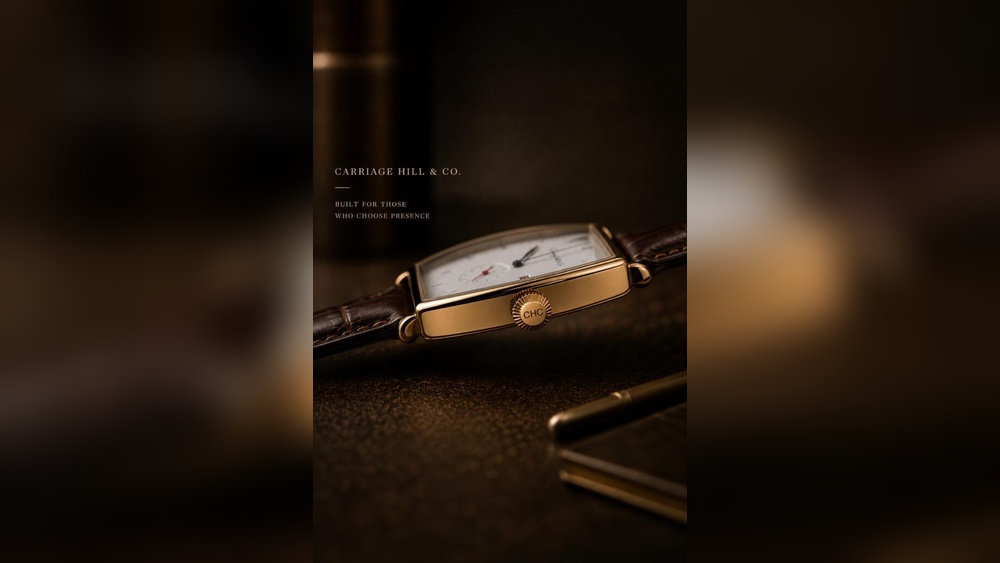
Carriage Hill And Co Watches: A Complete Guide If you search for a watch that blends tradition with modern style,
Carriage Hill Understated Luxury Watch: A Complete Guide A luxury watch is more than just a tool for telling time.
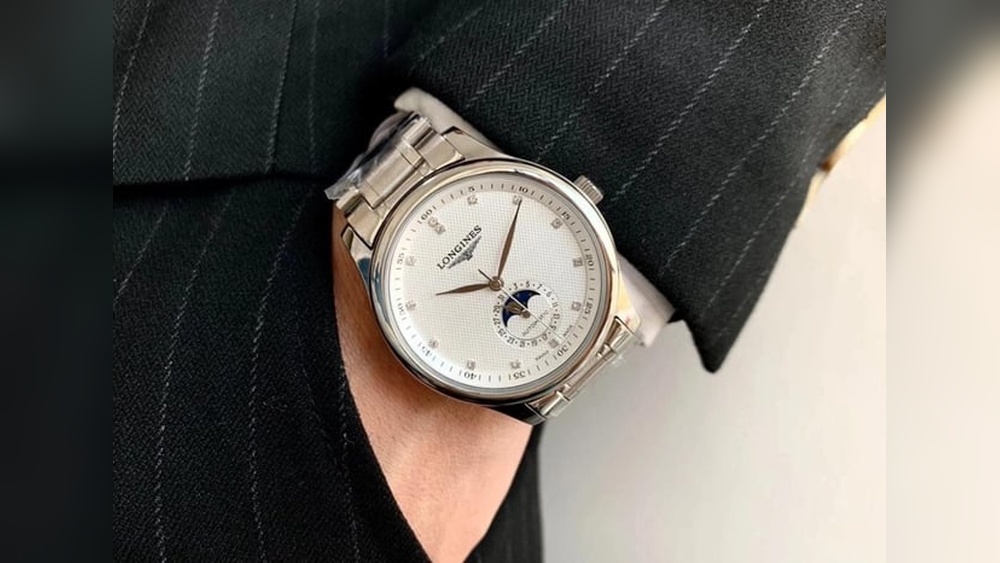
Finding a luxury dress watch under $700 is a rewarding challenge for style-conscious people who want elegance without the high
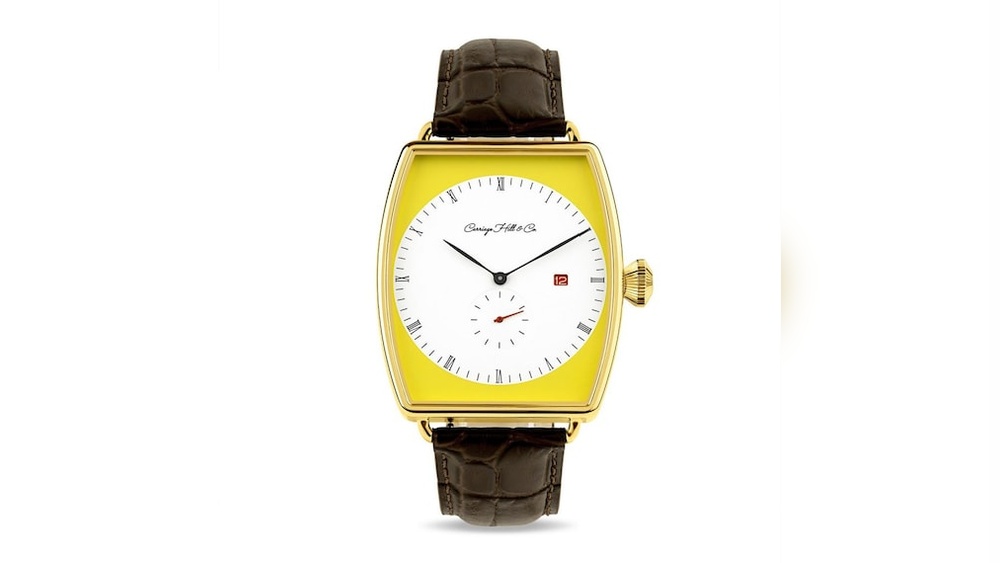
The world of luxury watches is filled with stories of craftsmanship, tradition, and innovation. Among these, the Carriage Hill Handcrafted
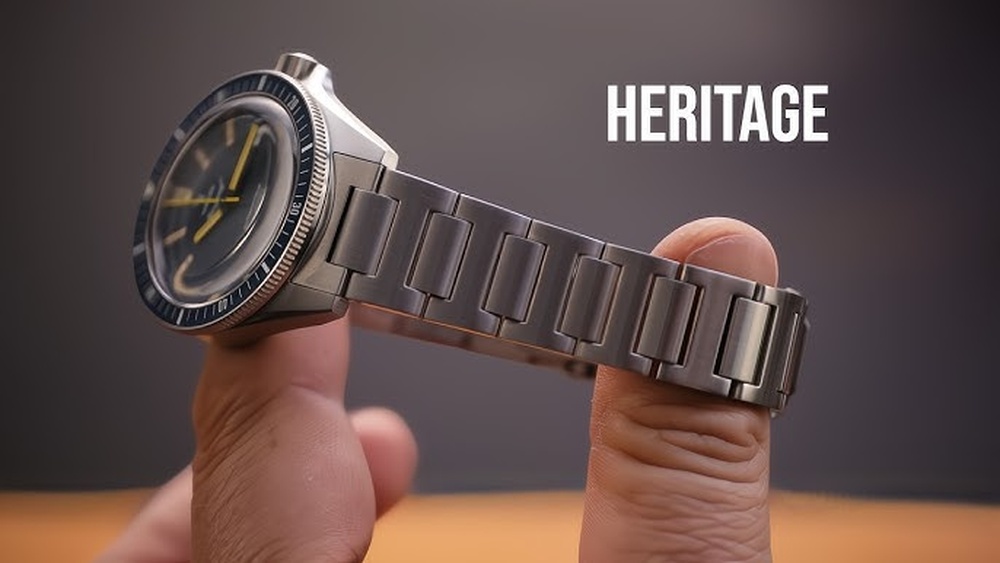
The world of watches is full of stories, tradition, and craftsmanship. For many people, a watch is not just a