
Watches
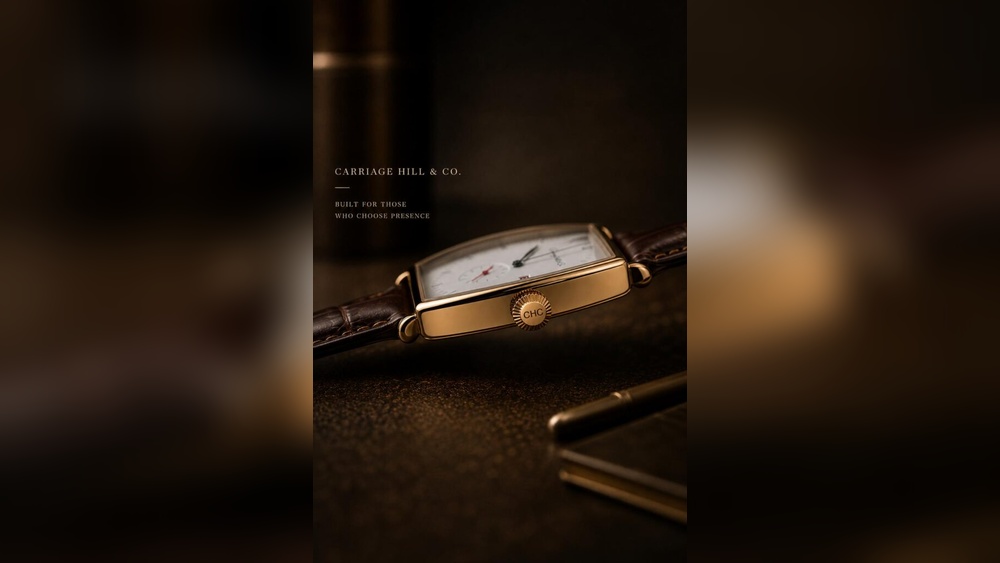
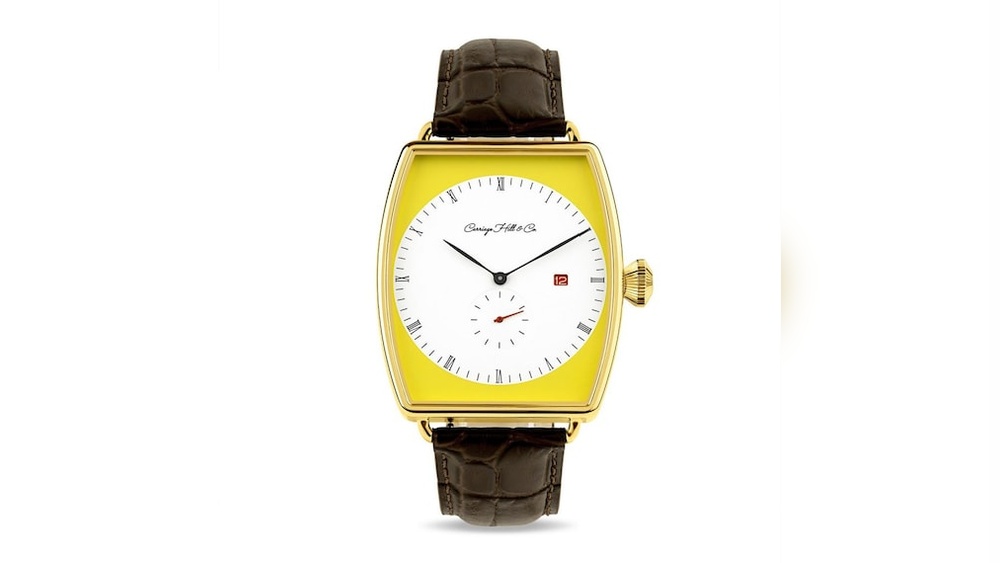
Carriage Hill Traveller Timepiece: Timeless Elegance Unveiled
The story of the Carriage Hill Traveller Timepiece is not just about a watch—it is about the art of travel,
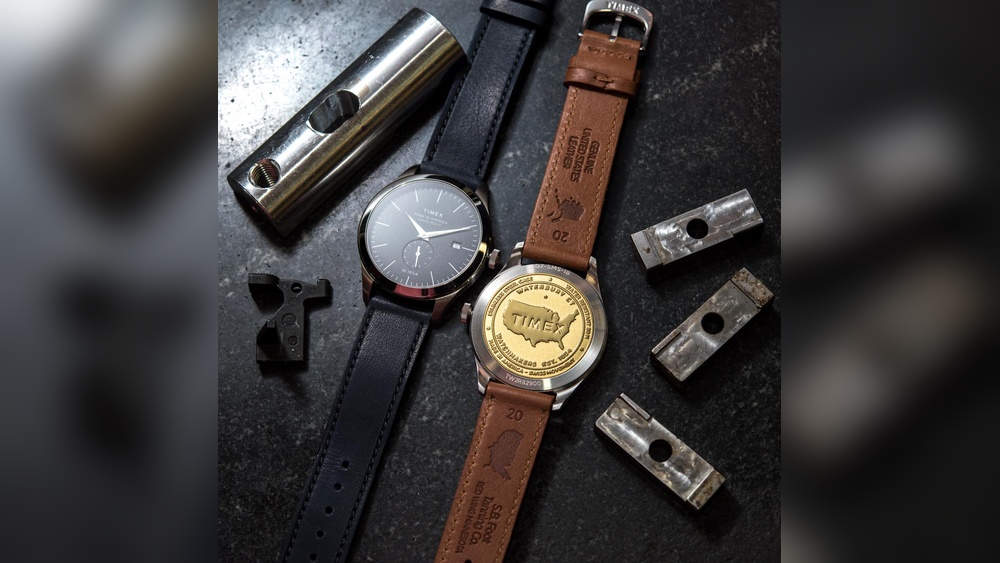
If you think watchmaking craftsmanship USA is all about Swiss imports, you’re missing a hidden world of American skill, innovation, and heritage. In recent years, USA-based watchmakers have surprised collectors with bold designs, unique stories, and true mechanical mastery. This guide uncovers the 7 best luxury brands leading the American watchmaking renaissance, the secrets behind their craft, and what makes their timepieces special in 2024.
Whether you’re a new enthusiast or a seasoned collector, you’ll learn how US-made watches blend history, modern technology, and artistic flair. Let’s explore the fascinating world of American watchmaking craftsmanship—from classic icons to new pioneers changing the industry.
—
—
America’s journey in watchmaking started in the 1800s, when pioneers like the Waltham Watch Company and Elgin set out to create precise, affordable timepieces for everyone. These brands changed the world by inventing new ways to mass-produce watches, making them available to millions of Americans. By the early 20th century, US watchmakers rivaled Switzerland, with innovations in both design and technology.
In cities like Waltham, Massachusetts, and Elgin, Illinois, entire communities grew around watch factories. These places became known for their skilled workers and a culture that prized precision and reliability. The “American System of Watch Manufacturing” was developed here—using machines to make interchangeable parts so watches could be repaired easily.
This made watches more accurate and less expensive.
During World War II, American watch factories helped the military with durable, accurate watches. Soldiers relied on these timepieces in difficult conditions, and the watches became symbols of trust and toughness. After the war, the rise of quartz technology and foreign competition slowed the industry. Many famous US brands disappeared, and Swiss and Japanese watches dominated the market for decades.
But the American spirit never faded. In the last 20 years, a new wave of watchmakers has revived the tradition of watchmaking craftsmanship USA. These artisans blend old-school skills with modern tools to create watches that are both reliable and artistic. Today, the USA is home to a small but passionate group of brands making watches that stand out worldwide.
Non-obvious insight: Many people believe American watchmaking is only about cheap, mass-produced pieces. In fact, the best US brands now focus on hand finishing, limited editions, and even in-house movements—competing with Swiss luxury.
Another detail often missed: Many old US watches are still working after 100 years, showing that American craftsmanship was never just about mass production—it was always about making things to last.
—
American watchmakers are known for their independent spirit. Unlike many Swiss brands that follow strict traditions, US makers often experiment with new materials, bold colors, and fresh designs. They’re not afraid to try something different.
For example, Devon Works created the first belt-driven watch, and Vortic developed a way to turn antique pocket watches into modern wristwatches. These creative approaches show how American brands look for new ideas, not just old traditions.
Many US brands use locally sourced parts and materials. For example, some use American steel or even reclaimed wood and metals from historic sites. This gives each watch a story that connects to American history.
Weiss sources its steel and even the leather for straps from US companies. Vortic sometimes uses metal from old railroads, and Oak & Oscar works with local leatherworkers for their straps. This local focus helps keep jobs in America and makes every watch a bit different.
Unlike most European luxury brands, US watchmakers often sell directly to buyers online. This means fewer middlemen and more personal customer service.
Because of this approach, buyers can sometimes speak directly with the maker, ask for special requests, or even join waitlists for limited editions. This closer connection builds loyalty and trust, and often leads to better after-sales support.
American watchmaking is a tight-knit community. Brands often collaborate with local artists, engravers, and even customers to design special editions.
Oak & Oscar, for example, has worked with local breweries and charities to create limited-edition models where some proceeds go to causes in Chicago. RGM partners with skilled engravers to offer custom dials. This spirit of collaboration sets US brands apart from the more closed and traditional Swiss approach.
Here’s how US watch production compares to Switzerland:
| Country | Annual Watches Produced (approx.) | Luxury Focus | Major Brands |
|---|---|---|---|
| USA | 50,000 | High (boutique & luxury) | Shinola, RGM, Weiss |
| Switzerland | 20,000,000 | Very High (all segments) | Rolex, Omega, Patek Philippe |
| Japan | 60,000,000 | Medium (mass and luxury) | Seiko, Citizen, Grand Seiko |
Key takeaway: While Swiss and Japanese brands produce millions, US watchmaking focuses on limited, high-quality pieces.
Another thing to note: US brands often know their customers by name, and many watches are made to order. This results in a sense of exclusivity and personal connection that is hard to find with mass-produced international brands.
—
Let’s meet the top 7 American brands defining watchmaking craftsmanship USA today. Each brings a unique approach to design, engineering, and storytelling.
Location: Mount Joy, Pennsylvania
Founded: 1992
RGM is often called the “American Patek Philippe” for its dedication to handmade mechanical watches. Founder Roland G. Murphy creates timepieces with in-house movements and classic finishing techniques like guilloché engraving. Their Caliber 801 movement is designed, made, and decorated in the USA—a rare feat. Prices range from $4,000 to over $100,000 for special editions.
RGM’s watches are known for their beauty both inside and out. The movement finishing is so detailed that collectors sometimes buy display-back cases just to admire the mechanics. RGM also offers custom dials, including engine-turned patterns and enamel painting, which are rarely found outside top Swiss brands.
Non-obvious insight: RGM is one of the only US brands making true tourbillon movements from scratch.
Another unique point: RGM restores and services vintage American watches, keeping the history alive for collectors.
Location: Los Angeles, California
Founded: 2013
Weiss is famous for its “Field Watch”—a simple, military-inspired design with a tough steel case. What makes Weiss special is its commitment to American-made parts. Over 95% of each watch is made in the USA, including the movement. Their Cal 1003 manual-wind movement is a point of pride. Prices start at $1,250.
Weiss watches are built for everyday use, balancing ruggedness with elegance. They use sapphire crystals for durability and Super-LumiNova for night visibility. Cameron Weiss, the founder, trained in Switzerland but brought his skills home to help rebuild the American tradition.
One more detail: Weiss offers factory tours where visitors can see watchmakers at work, a rare chance to witness real craftsmanship.
Location: Detroit, Michigan
Founded: 2011
Shinola helped revive Detroit’s manufacturing scene. Their watches combine Swiss quartz or Argonite automatic movements with American assembly and stylish design. Shinola is known for its affordable luxury—most models cost between $500 and $1,500. The brand also supports local jobs and craftspeople.
Shinola’s story is about more than watches—it’s about creating jobs and pride in a city once known for industry. The brand also makes bicycles, leather goods, and audio equipment. Watch buyers can visit the Detroit factory, meet the workers, and see the assembly process in action.
Non-obvious insight: Shinola’s “Runwell” model became a symbol of Detroit’s rebirth, and many buyers choose it for its story as much as its look.
Location: Fort Collins, Colorado
Founded: 2013
Vortic takes old American pocket watch movements (from brands like Hamilton and Elgin) and gives them new life in modern wristwatches. Each piece is unique, with a custom case and restored vintage movement. Vortic’s “American Artisan Series” is perfect for collectors who love history.
Prices range from $2,000 to $10,000.
Vortic’s watches are conversation starters—the dials often still show the railroad company or city of origin. Each piece is a blend of history and innovation. The cases are often made with 3D printing and traditional machining, a mix of new and old.
Collectors love that no two Vortic watches are exactly alike. This makes them both collectible and meaningful, especially for people with family ties to American railroads.
Location: Los Angeles, California
Founded: 2010
Devon is the rebel of American watchmaking. Their Devon Tread 1 uses tiny motors, belts, and pulleys instead of traditional gears. It looks like a machine from a sci-fi movie. The Tread 1 was even nominated for a Swiss Grand Prix award. Prices start at $15,000.
Devon’s watches are designed and assembled in the USA. The belts move numbers across the dial, powered by rechargeable batteries. The watch even vibrates to alert the wearer to low battery. The Tread 1 is worn by movie stars and tech leaders, who love its bold look.
A detail many miss: The Tread 1’s belts are made from a special material used in aircraft cockpits, highlighting American engineering.
Location: Pittsburgh, Pennsylvania
Founded: 1998
Kobold is known for its rugged tool watches, designed for adventurers and military use. Their “Expedition” model has been to Mount Everest and the North Pole. Kobold also offers custom cases made in the US and even lets buyers help build their own watch during special workshops. Prices range from $2,500 to $8,000.
Kobold’s founder, Michael Kobold, has taken his watches on real-life expeditions, proving their reliability. The cases are often made from US-forged steel or titanium, and many models are water-resistant to 300 meters or more.
Kobold’s build-your-own-watch workshops are a unique experience, letting customers understand the watch’s mechanics and create a personal bond with their timepiece.
Location: Chicago, Illinois
Founded: 2015
Oak & Oscar focuses on limited-edition mechanical watches with unique American style. They use Swiss movements but design and assemble their watches in Chicago. Every model is made in small batches, so they’re highly collectible. Most models cost between $1,500 and $3,000.
Oak & Oscar’s watches are recognized by their clean, legible dials and thoughtful details, like orange accents and custom casebacks. The company is known for excellent customer support and building a community around its collectors, hosting events and meetups.
They also often include extra straps, travel cases, and personal notes with each watch—small touches that make ownership special.
—
To help you compare, here’s a quick side-by-side look at what makes each top brand unique:
| Brand | Movement Type | Main Material | Price Range | Unique Feature |
|---|---|---|---|---|
| RGM | In-house mechanical | Stainless steel, gold | $4,000–$100,000 | Hand-engraving, tourbillon |
| Weiss | Manual-wind mechanical | Stainless steel | $1,250–$3,000 | 95% US-made parts |
| Shinola | Quartz/automatic | Stainless steel, leather | $500–$1,500 | Detroit assembly, style |
| Vortic | Restored vintage | Titanium, bronze | $2,000–$10,000 | Upcycled pocket movements |
| Devon Works | Belt-driven electric | Stainless steel, sapphire | $15,000+ | Motorized belts |
| Kobold | Automatic/quartz | Stainless steel, titanium | $2,500–$8,000 | Expedition-tested |
| Oak & Oscar | Automatic mechanical | Stainless steel | $1,500–$3,000 | Limited editions |
Pro tip: US brands focus on small-batch quality rather than high-volume production.
Another insight: Since US brands make fewer watches, their after-sales service is often more personal, and you may get to speak to the founder or the actual watchmaker during repairs or custom orders.
—
True watchmaking craftsmanship USA means more than assembling parts. Top brands use old-world skills like hand-polishing, guilloché engraving, and perlage (circular graining). These details are done under a microscope and take hours for even one part.
Example: RGM’s dials are engraved by hand using machines that are over 100 years old.
Hand-finishing also includes techniques such as anglage (bevelling), blued screws (heated until they turn blue), and brushing. These touches not only look beautiful but also help protect the metal from corrosion.
Non-obvious insight: Some American artisans teach themselves these skills, as few formal schools exist in the US—making their work even more impressive.
While many brands use Swiss or Japanese movements, a few (like RGM and Weiss) make their own. This is called an in-house movement, and it shows a brand’s technical skill.
Fact: Only a handful of American watchmakers have the tools and knowledge to make movements from scratch.
Building a movement requires design, prototyping, machining tiny parts, and assembling with incredible precision. Each part must work perfectly with the others. This is why in-house movements are rare—and why they add to a watch’s value.
Some brands use US-sourced steel, leather from American tanneries, or even recycled materials from famous places. Vortic, for example, uses old railway steel and reclaimed metals.
Shinola partners with Horween Leather, a famous Chicago tannery, for their straps. This attention to sourcing materials locally is part of what defines American craftsmanship.
American luxury watches go through strict testing for accuracy and durability. Some are tested for water resistance, shock, and even extreme temperatures.
For instance, Kobold tests its watches in real expeditions, not just in the lab. Each movement is timed for accuracy, and finished watches are checked for water leaks and dust.
Many US brands offer custom engraving, dial colors, or even “build your own watch” workshops. This gives buyers a chance to be part of the process.
RGM, for example, lets clients choose dial materials, case finishes, and even add personal engravings. Oak & Oscar has offered limited runs where customers can vote on dial designs.
Non-obvious insight: Customization in American watchmaking is not just about looks—it’s about creating a watch that tells your story.
—
Bonus step: Some brands invite the buyer to see or even participate in the final assembly, adding a personal connection to the finished watch.
—
American watches offer unique designs, lower production numbers, and often a strong backstory. Many collectors appreciate the direct link to US history, technology, and culture.
Owning a US-made watch often means owning a piece of American innovation. For some, collecting is about supporting local artisans and keeping traditional skills alive.
Because US brands make fewer watches, their models are often more exclusive. Limited editions and discontinued models can gain value over time, especially if the brand becomes famous.
Some collectors focus on serial numbers—like owning the very first or last piece in a limited series. Watches tied to special events or collaborations can become even more valuable.
RGM’s limited editions often have waitlists, and Oak & Oscar’s releases sometimes sell out in minutes. This scarcity can drive up value in the secondary market.
Non-obvious insight: Some of the best investments are from smaller brands just starting out—if you spot a rising star early, your watch could become a future classic.
—
| Aspect | American Luxury | Swiss Luxury |
|---|---|---|
| Production Numbers | Low (hundreds/thousands) | High (thousands/millions) |
| Initial Price | Lower (except RGM/Devon) | High to ultra-high |
| Resale Value | Medium, rising | High, stable |
| Collectibility | Niche, growing | Global, established |
| Unique Story | Often strong | Varies |
Another factor: American watches can sometimes be serviced locally, making them easier to maintain than rare Swiss models that need overseas repairs.
—
US-made watches range from $500 for entry-level models to over $100,000 for high complications. Set a budget before you start shopping.
If you’re new, start with a trusted brand like Shinola or Weiss. More experienced collectors may look at RGM or Devon for high-end pieces.
Check the brand’s history, where their watches are actually made, and what collectors say. Look for transparency about sourcing and assembly.
Explore watch forums and reviews to see if a brand delivers on its promises. Some brands offer detailed breakdowns of which parts are made in the USA, which is a good sign of honesty.
If you care about traditional watchmaking, look for mechanical or in-house movements. If you want accuracy and low maintenance, quartz is fine.
Mechanical watches often need regular winding or wearing to keep running. Quartz watches are more “set and forget,” but may need battery changes.
Inspect the case, dial, and strap materials. Is the steel high-grade? Is the leather American? How is the finishing?
If you have allergies, check for nickel-free cases. Also, look for sapphire crystals, as these are more scratch-resistant than mineral glass.
Find out if the brand offers warranty, servicing, and repair in the US. Some small brands may have longer wait times for repairs.
Ask if you can get replacement parts or if repairs must be sent to the original maker. This can affect your experience over time.
Whenever possible, try on the watch in person. Some brands have showrooms or offer home try-on kits. If buying online, read return policies.
The size and shape of a watch can feel different on your wrist than in pictures. If you can’t try before you buy, look for brands with easy returns.
Many collectors seek limited runs or special editions. These often hold value better and are more unique.
Ask about the total number produced and if each watch has a unique serial number. Limited editions sometimes come with special packaging or extras.
Non-obvious insight: Sometimes, smaller brands offer more customization options, letting you create a watch that fits your personal style better than big brands.
—
The rise of microbrands (small, independent companies) is changing the US scene. These brands use online platforms to connect with enthusiasts, often releasing crowdfunded limited editions.
Microbrands can adapt quickly to trends and customer feedback, making them innovative and responsive. Some microbrands even let buyers vote on designs or features for upcoming releases.
Some US brands are experimenting with hybrid smart-mechanical watches, blending tradition with wearable tech. While Swiss makers focus heavily on luxury, Americans are quick to adopt new trends.
For instance, some brands have added fitness tracking or Bluetooth notifications to classic designs, attracting a new generation of watch wearers.
Watchmakers like Vortic are leading with recycled and upcycled materials, minimizing waste. Expect more brands to focus on eco-friendly practices in the next decade.
Other brands are considering solar-powered movements, recycled packaging, and ethical sourcing as selling points.
A handful of startups are working to revive full movement production in the USA, aiming to be less dependent on Swiss or Japanese parts.
This could lead to more innovation and even more affordable American mechanical watches in the future.
The need for skilled labor is inspiring new watchmaking schools and training centers in America, such as the Lititz Watch Technicum in Pennsylvania.
These schools teach everything from movement assembly to hand-finishing, helping to ensure the next generation of American watchmakers.
Online forums, YouTube channels, and social media have made it easier for US brands to reach international fans. The American watch community is growing, with more events and meetups than ever.
Virtual watch fairs and Instagram “wrist shots” bring together people from around the world, helping US brands gain global fans and recognition.
Non-obvious insight: As more Americans become interested in craftsmanship and “buying local,” demand for US-made watches is likely to keep rising—giving new brands a chance to shine.
—
Images of watchmakers at their benches, or videos showing movement assembly, can also help you appreciate the skill behind American watches.
—
It describes the art and skill of designing, building, and finishing watches in the United States, often using hand-made techniques and local materials. Unlike mass-produced imports, these watches focus on quality, detail, and unique American stories.
Top US brands like RGM, Weiss, and Vortic use strict quality control and skilled labor, making their watches highly reliable. While Swiss brands have a longer history, today’s American watches can rival them in accuracy and durability—especially in limited editions.
Luxury American watches are often made in small batches, using hand-finishing and rare materials. The cost reflects hours of skilled labor and, in some cases, in-house movements. Also, limited production means fewer pieces to spread the cost.
Check for details on the movement origin, case, dial, and assembly. True “made in USA” watches disclose where every part comes from. Be careful—some brands say “designed in USA” but assemble overseas. Always check the brand’s transparency.
Another tip: Look for official certifications or visit the brand’s workshop if possible. Many US makers are proud to show their facilities.
US-made watches are becoming more collectible as the brands grow. Limited editions and models with unique stories (like Vortic’s conversions) are especially popular with collectors. While Swiss watches have a stronger resale market, US pieces are gaining value every year.
You can read more at Wikipedia’s Watchmaker page, and explore forums like Watchuseek or Hodinkee for the latest news and reviews.
—
The watchmaking craftsmanship USA scene is more exciting than ever, mixing heritage, innovation, and artistry. Whether you want a bold Devon Tread, a classic RGM, or a one-of-a-kind Vortic, American watches offer something special for every collector. As more people discover these hidden gems, the world is finally recognizing the skill and passion behind US-made timepieces. Now is the perfect moment to explore, collect, and celebrate the new golden age of American watchmaking.
The story of the Carriage Hill Traveller Timepiece is not just about a watch—it is about the art of travel,
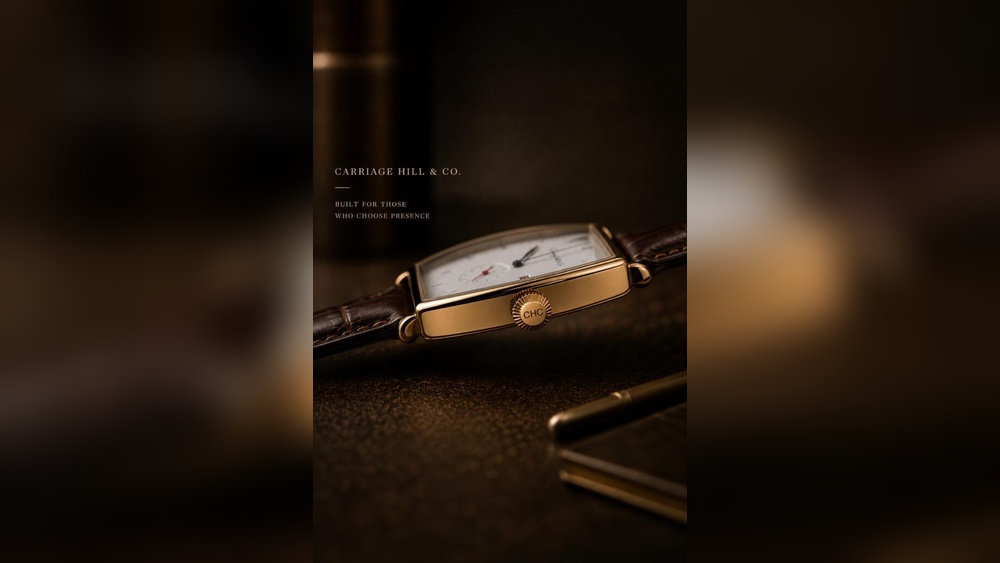
Carriage Hill And Co Watches: A Complete Guide If you search for a watch that blends tradition with modern style,

Carriage Hill Understated Luxury Watch: A Complete Guide A luxury watch is more than just a tool for telling time.
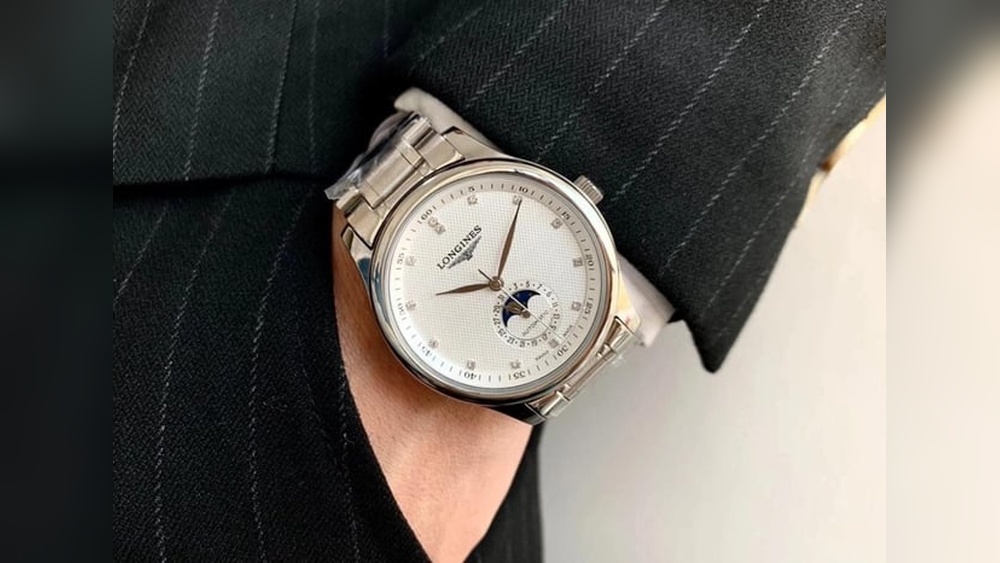
Finding a luxury dress watch under $700 is a rewarding challenge for style-conscious people who want elegance without the high
The world of luxury watches is filled with stories of craftsmanship, tradition, and innovation. Among these, the Carriage Hill Handcrafted
The world of watches is full of stories, tradition, and craftsmanship. For many people, a watch is not just a