
Watches
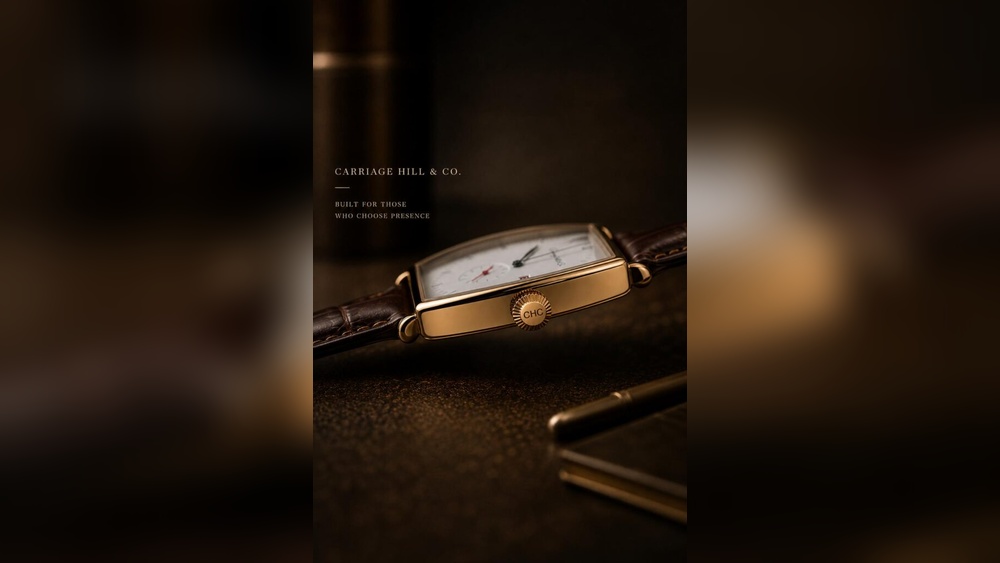
Carriage Hill Traveller Timepiece: Timeless Elegance Unveiled
The story of the Carriage Hill Traveller Timepiece is not just about a watch—it is about the art of travel,
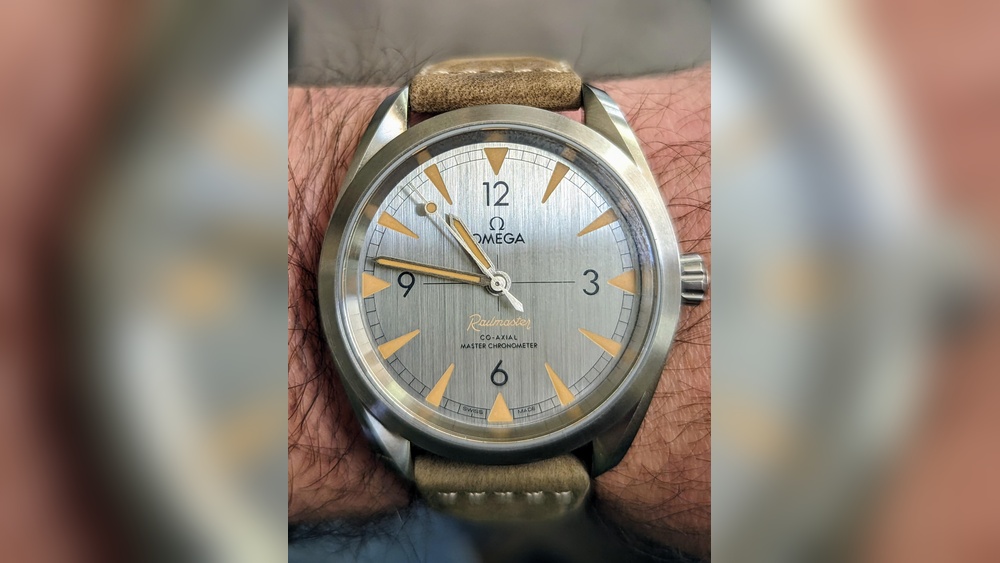
A timeless timepiece is more than a device that tells the hour—it’s a symbol of heritage, craftsmanship, and enduring style. In 2024, the world of horology continues to fascinate collectors, enthusiasts, and anyone who appreciates the beauty of precise engineering. But what truly makes a timepiece timeless? Is it the brand’s legacy, the design, or something less obvious like emotional value? This guide explores the 7 ultimate reasons that define a timeless watch, giving you the insights to understand, appreciate, and perhaps invest in a watch that will never go out of style.
Whether you’re new to watches or already have a collection, understanding these core elements will help you spot true classics among thousands of choices. We’ll also compare iconic models, share expert tips, and answer the most common questions. Let’s discover what sets a timeless timepiece apart from the rest.
One of the strongest markers of a timeless timepiece is its design. A watch that stays relevant for decades does so because its look feels both classic and fresh, never tied to a passing trend.
Classic watches often favor minimalist dials, balanced proportions, and uncluttered layouts. The Rolex Datejust and Omega Seamaster are examples of designs that remain almost unchanged for over half a century. Their beauty lies in the subtle details—slender hands, elegant indices, and symmetry that makes them instantly recognizable yet never boring.
But it’s not just about what you see at first glance. Look closer at these classics: the “railroad track” minute markers on a Datejust, or the way the lugs curve to fit the wrist. These details are carefully measured and refined over generations. That’s why when you see a Datejust from 1960 and one from today, they both look “right”—neither old-fashioned nor overly modern.
A truly timeless design works with any outfit, from a business suit to casual jeans. Watches like the Patek Philippe Calatrava or Jaeger-LeCoultre Reverso can be worn for both formal and everyday occasions. This adaptability is a sign of enduring aesthetic value.
For example, the Reverso was originally designed for polo players to flip the dial and protect the glass, but its art deco shape means it looks just as good at a wedding as at a weekend brunch. The Calatrava’s simple round case and clean dial allow it to blend with any style, making it the “little black dress” of the watch world.
While some modern watches use bold colors or innovative materials, classics stick to neutral tones and high-quality metals like stainless steel, gold, or platinum. These choices age gracefully, making the watch as attractive in 30 years as it is today.
Silver, black, and white dials rarely look dated. Even when brands experiment with two-tone or blue dials, they do so in a way that feels elegant rather than trendy. Materials like sapphire crystal and ceramic, chosen for their durability and beauty, ensure the watch resists scratches and fading.
Non-obvious insight: Many beginners assume flashy designs are more valuable, but the most sought-after timepieces use restraint and subtlety. A harmonious dial and well-proportioned case speak volumes about lasting appeal. Don’t be fooled by a busy dial—often, the less a watch tries to impress, the longer it stays in style.
No timeless watch exists without exceptional attention to detail and high-quality materials. The skills and resources invested in crafting each piece set true icons apart from ordinary watches.
Luxury brands like Audemars Piguet and Vacheron Constantin are known for hand-finishing every component. From polishing tiny screws to engraving movement bridges, these manual steps add beauty and uniqueness to each piece. A perfect example is the Geneva Seal—a quality mark for watches made with outstanding traditional methods.
Owning a watch with hand-beveled edges or a hand-guilloché dial means you’re wearing something touched by real artisans. Even parts you’ll never see, like the movement plates, are finished to perfection. Many owners say that under a loupe, the difference is obvious: sharp, polished angles and intricate decorations that mass-produced watches simply can’t match.
Timeless watches use materials built to last generations. Sapphire crystal resists scratches, while ceramic bezels stay bright and damage-free for decades. High-grade 904L stainless steel (used by Rolex) maintains its shine better than ordinary steel.
These materials are chosen not just for their looks, but for their ability to survive daily life. A sapphire crystal is almost impossible to scratch with normal wear, and a ceramic bezel won’t fade from sunlight or saltwater. Gold and platinum cases develop a gentle “patina” over the years, adding character without losing elegance.
Most iconic watches, like the Omega Speedmaster or Rolex Submariner, are designed to withstand everyday wear and even harsh conditions. Their cases are tightly sealed, crowns are protected, and movements are shock-resistant.
For instance, the Submariner’s screw-down crown keeps water out even at great depths, and the Speedmaster’s robust case was tested by NASA for space missions. These features aren’t just for show—they mean you can wear your watch in the rain, swimming, or traveling without worry.
Non-obvious insight: Beginners often miss the importance of invisible quality, such as movement lubrication and anti-magnetic protection. These hidden strengths help a timepiece survive for decades without losing performance. For example, Omega’s use of silicon hairsprings makes their watches less likely to be affected by everyday magnets (phones, laptops), protecting accuracy.
While fashion and materials matter, the heart of any timeless timepiece is its movement—the complex system that powers the hands and complications. True icons push the boundaries of engineering.
Many classic watches feature mechanical movements—either hand-wound or automatic. The smooth sweep of the seconds hand and the intricate gearwork inside make these watches objects of fascination. The Patek Philippe Nautilus and Rolex Day-Date have celebrated mechanical calibers that collectors admire for their reliability and beauty.
Mechanical movements are often described as “alive” because they rely on the energy you provide, either by winding the crown or through the motion of your wrist. Unlike quartz, they don’t need batteries, and with care, they can run for generations.
For example, a well-maintained Rolex movement from the 1960s can still keep time today, decades after its creation.
Some movements become legends themselves. The Valjoux 7750 and ETA 2824-2 are known for their robustness and accuracy. In-house movements (designed by the brand itself) often add value and prestige. For example, the Omega Co-Axial escapement revolutionized watchmaking by reducing friction and extending service intervals.
The development of the co-axial escapement by George Daniels and its adoption by Omega was a leap forward, making watches more reliable and less likely to need frequent servicing. Many collectors now look for these technical advances as a sign of true innovation.
A complication is any feature beyond simple timekeeping, like a chronograph, moon phase, or perpetual calendar. Watches like the Audemars Piguet Royal Oak Perpetual Calendar showcase horological mastery by packing complex functions into slim cases.
But not every timeless watch is complicated. In fact, some of the most loved models—like the Rolex Explorer or Patek Philippe Calatrava—stick to simple time and date. Their appeal lies in perfect execution rather than the number of features.
Non-obvious insight: Don’t judge a watch only by the number of complications. Simpler watches with beautifully finished movements often outlast complex pieces with cheaper, mass-produced calibers. Serviceability also matters—a simpler, well-made movement can be repaired and maintained for decades, while rare, overly complex mechanisms sometimes become difficult to fix as parts and expertise disappear.
A timepiece becomes truly timeless when it tells a story—one connected to history, innovation, or human achievement.
Some watches are linked to world-changing events. The Omega Speedmaster was the first watch worn on the moon. The Rolex Submariner helped define the modern dive watch. These stories add emotional and historical value that never fades.
Other examples include the Tag Heuer Monaco being the first automatic chronograph in a square case, and the Seiko Astron as the world’s first quartz watch. When you wear such a model, you carry a piece of history on your wrist.
Brands with centuries of expertise, like Patek Philippe (founded in 1839) or Breguet (founded in 1775), have shaped the industry with inventions like the tourbillon or perpetual calendar. Their long-standing commitment to quality and innovation gives their watches an extra layer of appeal.
Collectors often talk about “DNA”—the unique style and approach each brand brings. For example, Breguet’s “coin-edge” case and blued hands are instantly recognizable and have been copied by many, but never quite matched.
Watches that remain in production for decades, like the Cartier Tank or Tag Heuer Monaco, gain legendary status. Their continuous presence on wrists around the world proves their lasting influence.
When a watch is part of a brand’s catalog for 50+ years, it’s a sign that people across generations find value and beauty in its design. This kind of staying power is rare and deserves attention when you’re choosing a watch.
Practical tip: Researching a brand’s history and the stories behind specific models can help you understand why certain watches are so revered—and why they hold their value. For instance, the reason the Omega Speedmaster is called the “Moonwatch” is a fascinating story that adds to its charm.
Watches are often passed from one generation to the next, carrying memories and meaning. This emotional resonance is a key element of a timeless timepiece.
People buy or receive watches to mark life events—graduations, weddings, anniversaries, or career achievements. The watch becomes a physical reminder of a special moment, gaining sentimental value that no price tag can measure.
For example, a watch given to celebrate a first job or a university graduation often becomes a lifelong companion. Every time you wear it, you remember that important day and the journey since then. Some people even engrave dates or messages on the caseback, adding a secret story only the owner knows.
Some watches become iconic because of the people who wore them. The Rolex Daytona Paul Newman, named after the legendary actor, is now one of the world’s most valuable watches. The Omega Seamaster is closely linked to James Bond movies, adding pop culture significance.
These associations make the watches more than just objects—they become symbols. When you see a Monaco, you might think of Steve McQueen and the era of classic racing. The Seamaster instantly brings to mind adventure and elegance, thanks to its long history with 007.
A watch handed down from a parent or grandparent connects the past, present, and future. The tradition of gifting or inheriting a high-quality watch is a powerful reason why some models remain beloved for generations.
Imagine wearing your grandfather’s old Omega, knowing he wore it to important meetings and family events. This emotional link gives the watch a unique value—no other object can create that same bond across time.
Non-obvious insight: The emotional story behind a watch can sometimes outweigh its technical features or brand prestige in the eyes of collectors and families. A watch that marks a personal milestone can be irreplaceable, even if it’s not the rarest or most expensive piece in the collection.
Some timepieces are instantly recognizable, even to people who aren’t watch experts. Their design, presence in media, or association with famous events makes them part of our shared culture.
The Royal Oak’s octagonal bezel, the Submariner’s black dial and rotating bezel, and the Cartier Tank’s rectangular case are all examples of unique, memorable shapes. These designs are often imitated but never duplicated.
Think of the Royal Oak: when it debuted in 1972, its industrial shape was radical, but today it’s a benchmark for luxury sport watches. The Submariner’s clear, functional look set the standard for diving watches—so much so that many other brands have tried to copy its style.
Watches in movies, TV shows, or on the wrists of celebrities reach a wide audience. The Tag Heuer Monaco became famous when Steve McQueen wore it in “Le Mans.” The Seiko SKX007 is beloved by divers and action heroes alike.
Modern television and films continue this trend. Daniel Craig’s James Bond helped renew interest in the Omega Seamaster, while characters in shows like “Mad Men” and “Succession” often wear vintage pieces, inspiring new generations of fans.
Some brands have iconic symbols—the Rolex crown, Omega’s Greek letter, or Audemars Piguet’s AP—that instantly signal quality and tradition.
These logos aren’t just marks; they are badges of honor for collectors. Wearing a recognizable watch can signal taste, achievement, or membership in an exclusive club.
Practical tip: If you want a watch that will always be in style, choose one with a silhouette or symbol recognized worldwide. These are less likely to fall out of fashion, and they often start conversations with fellow enthusiasts.
Beyond style and history, a truly timeless timepiece often holds or even increases its value over time. Not all watches are good investments, but some models consistently perform well in the collector’s market.
Watches produced in small numbers or for a limited time are more likely to appreciate. For example, the Patek Philippe 5711 saw its value skyrocket after being discontinued.
But rarity alone isn’t enough—a limited-edition fashion watch rarely holds value. It’s the combination of scarcity, reputation, and demand that drives prices. For example, a rare Rolex Daytona from the 1970s is worth much more than a “limited” watch from a lesser-known brand.
Rolex, Patek Philippe, and Audemars Piguet models often retain value better than less established brands. These brands control production numbers, maintain high quality, and enjoy strong demand.
Collectors know that buying a Submariner or Nautilus is a safe bet, and auction results show these watches steadily increasing in value. In contrast, brands that flood the market with many models often see prices fall quickly after purchase.
Watches in excellent, original condition (with box and papers) fetch higher prices at auctions. Modifications or excessive wear can hurt value.
Collectors pay more for “full set” watches—those with original packaging and certificates. Even things like the original bracelet or unused warranty card can add thousands to the value. On the other hand, a watch with replaced parts or a polished case is less desirable.
Here’s a comparison of how selected models have performed at auction over the past decade:
| Model | 2013 Avg. Price | 2023 Avg. Price | 10-Year Change (%) |
|---|---|---|---|
| Rolex Submariner 16610 | $5,000 | $12,000 | +140% |
| Patek Philippe Nautilus 5711 | $40,000 | $130,000 | +225% |
| Omega Speedmaster 3570.50 | $3,500 | $7,000 | +100% |
Non-obvious insight: Not all luxury watches increase in value. Many lose value after purchase, especially fashion-branded or mass-produced models. Focus on well-known references with proven track records. If investment is important to you, study auction results and talk to experienced collectors before buying.
In today’s digital world, smartwatches and rapid trends can make it seem like traditional watches are losing ground. But the truth is, timeless timepieces are more sought-after than ever, thanks to changing values and new ways of appreciating craftsmanship.
Unlike disposable technology, a mechanical watch can be serviced and passed down, making it a sustainable choice. Many buyers now prefer items built to last, rather than gadgets that become obsolete in a few years.
Brands are even increasing their focus on sustainability, using recycled metals or ethical sourcing for gold and diamonds. This shift makes timeless watches even more attractive for those who care about the environment.
Social media and online communities have made it easier to learn about watches, compare models, and share stories. Brands respond by offering limited editions or collaborations that appeal to collectors worldwide.
Instagram and YouTube have created a new wave of enthusiasts who share “wrist shots” and reviews. This global conversation helps keep classic designs in the spotlight and educates new buyers about what makes a watch truly special.
The world of horology is becoming more inclusive. Brands are creating timeless designs for women, and collectors from all backgrounds are joining the conversation. This diversity brings new perspectives and helps keep classic styles relevant.
For example, the rise of smaller case sizes and colorful dials shows how the industry is adapting to different tastes. Many women are now collecting traditionally “men’s” models, breaking old stereotypes and adding new energy to the hobby.
Practical tip: Explore digital resources like Hodinkee for expert reviews, auctions, and collector stories. This makes research more accessible than ever. You can also join forums or local watch clubs to connect with others and see watches in person before making a decision.
Let’s compare some of the most recognized timeless timepieces in terms of their features, appeal, and lasting value.
| Model | Movement Type | Case Material | Main Feature |
|---|---|---|---|
| Rolex Submariner | Automatic | Stainless Steel | Dive Watch |
| Omega Speedmaster | Manual | Stainless Steel | Moonwatch |
| Patek Philippe Calatrava | Automatic/Manual | Gold | Dress Watch |
| Cartier Tank | Quartz/Mechanical | Gold/Steel | Elegant Design |
These models are not only mechanically reliable but also beautiful and easy to wear, making them favorites for collectors and newcomers alike.
| Model | Famous Wearer | Film/Media Appearance | Symbolism |
|---|---|---|---|
| Tag Heuer Monaco | Steve McQueen | Le Mans | Motorsport Heritage |
| Omega Seamaster | Pierce Brosnan | James Bond | Adventure/Elegance |
| Rolex Daytona | Paul Newman | Celebrity Auctions | Racing Icon |
These watches are not just timekeepers—they are part of stories that reach millions around the world.
Include a high-resolution image of the Rolex Submariner with alt text: “timeless timepiece iconic Rolex Submariner watch”.
A timeless timepiece combines classic design, high-quality materials, expert craftsmanship, and a story or legacy that lasts for generations. Unlike regular watches, it remains desirable and valuable over decades, regardless of fashion trends. Timeless watches age gracefully and never seem out of place, no matter the era.
Look for signs like simple, balanced design, a reputable brand with history, mechanical movement, and proven value retention. Limited editions, historical significance, and pop culture presence can also signal future classic status. Reading watch reviews and learning from experienced collectors will also help you spot the difference.
Smartwatches are innovative but usually not considered timeless. They lack the enduring craftsmanship, emotional value, and long-term appeal of mechanical or high-end quartz watches. Their technology becomes outdated quickly. However, some early smartwatches may become collectible for their place in tech history, but they won’t have the same lasting value as mechanical classics.
Value retention depends on brand reputation, rarity, condition, and demand. Watches from iconic brands with limited production and strong stories often appreciate, while mass-produced or fashion-branded watches tend to lose value. Buying from reputable dealers and keeping all original documentation also helps protect your investment.
Both new and vintage watches have potential, but vintage pieces with historical importance often see higher appreciation. New watches from top brands can also perform well, especially if bought at retail and kept in excellent condition. Remember that market trends can change, so focus on watches you love, not just on price speculation.
Regular servicing by authorized centers, avoiding extreme temperatures and magnetic fields, and storing watches in a safe, dry place are essential. Original boxes and papers help maintain value. Also, avoid exposing your watch to chemicals or saltwater unless it’s rated for diving, and wind mechanical watches regularly to keep the lubricants inside the movement working properly.
—
A timeless timepiece is more than a tool for telling time—it’s a celebration of human ingenuity, artistry, and memory. Whether you’re drawn to the clean lines of a classic dress watch or the adventure-ready build of a diver, understanding what makes a watch timeless helps you choose wisely. By focusing on design, craftsmanship, history, and personal meaning, you’ll find a piece that’s always in style—and maybe even start your own family tradition. As the world keeps changing, these legendary watches remind us that true beauty and value never go out of fashion. For more on horology’s rich history, explore the History of Watches (Wikipedia) and discover what makes these masterpieces so enduring.
The story of the Carriage Hill Traveller Timepiece is not just about a watch—it is about the art of travel,
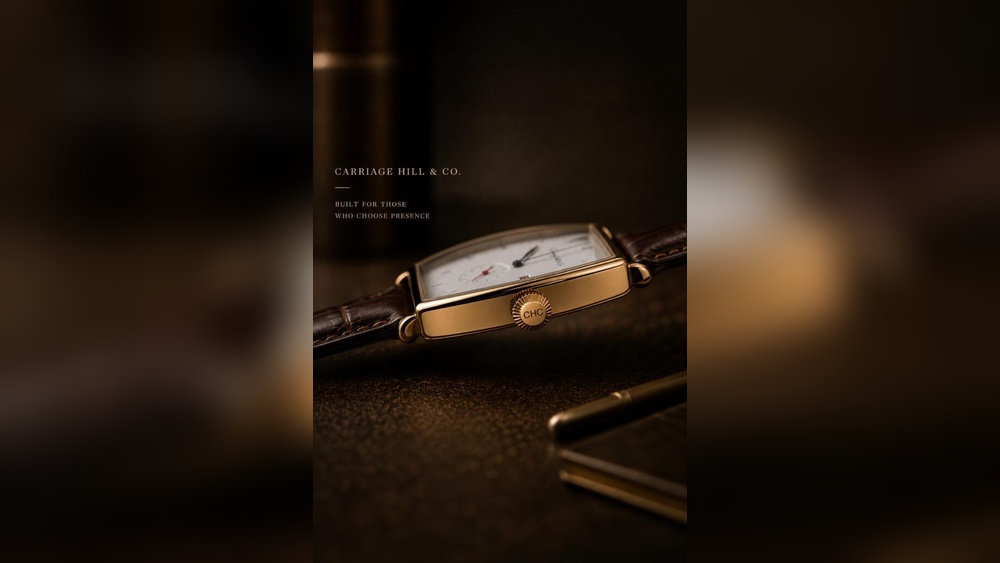
Carriage Hill And Co Watches: A Complete Guide If you search for a watch that blends tradition with modern style,
Carriage Hill Understated Luxury Watch: A Complete Guide A luxury watch is more than just a tool for telling time.
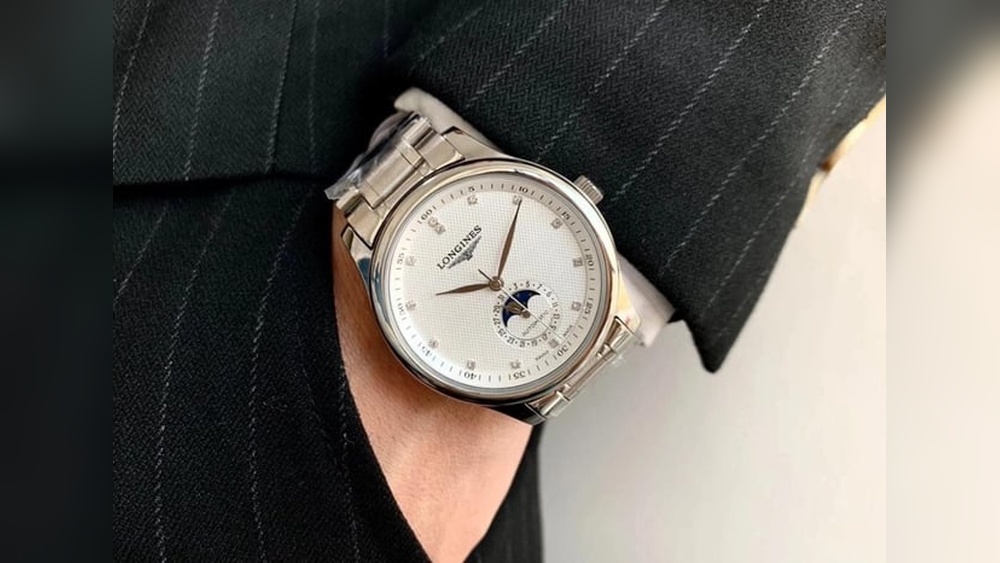
Finding a luxury dress watch under $700 is a rewarding challenge for style-conscious people who want elegance without the high
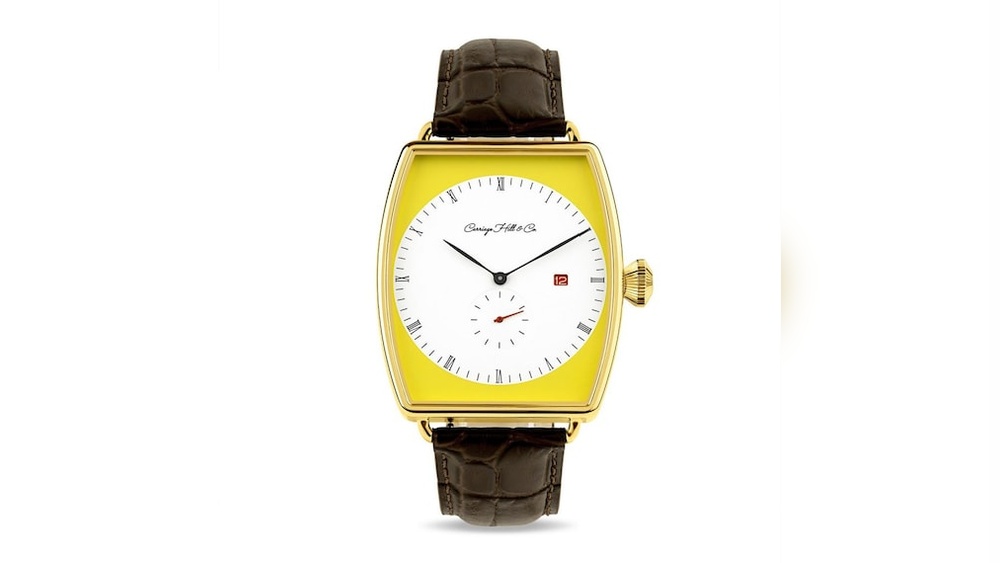
The world of luxury watches is filled with stories of craftsmanship, tradition, and innovation. Among these, the Carriage Hill Handcrafted
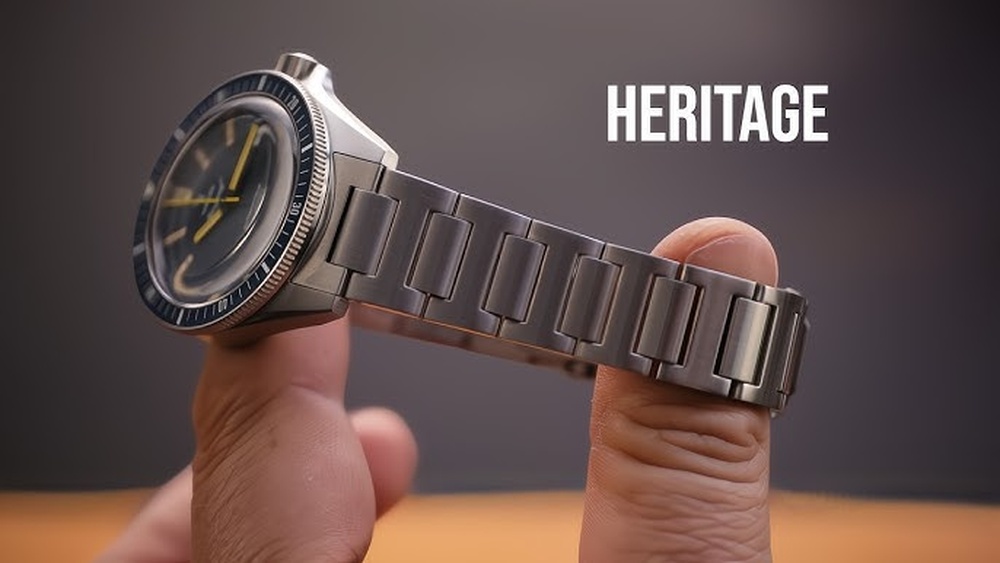
The world of watches is full of stories, tradition, and craftsmanship. For many people, a watch is not just a