
Watches
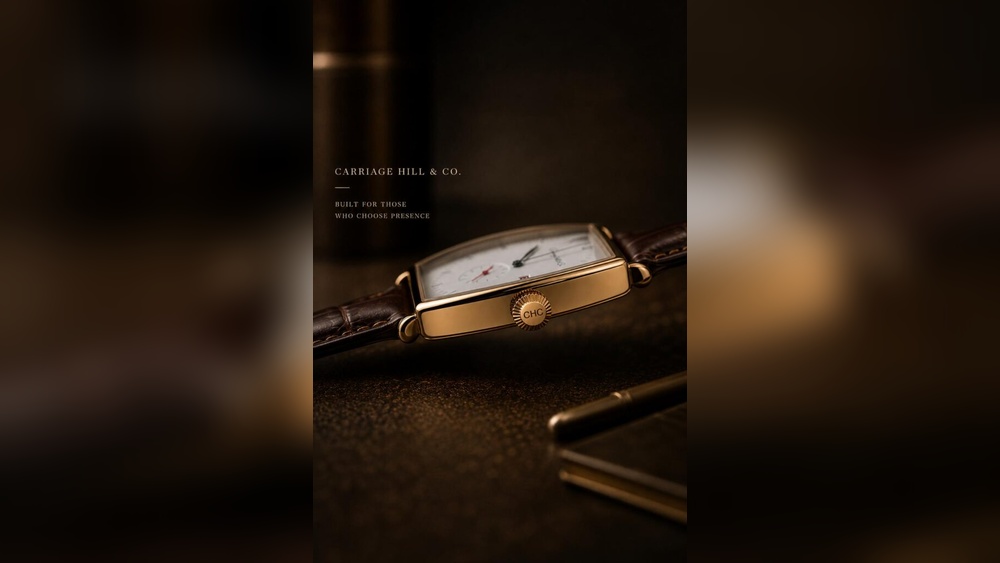
Carriage Hill Traveller Timepiece: Timeless Elegance Unveiled
The story of the Carriage Hill Traveller Timepiece is not just about a watch—it is about the art of travel,
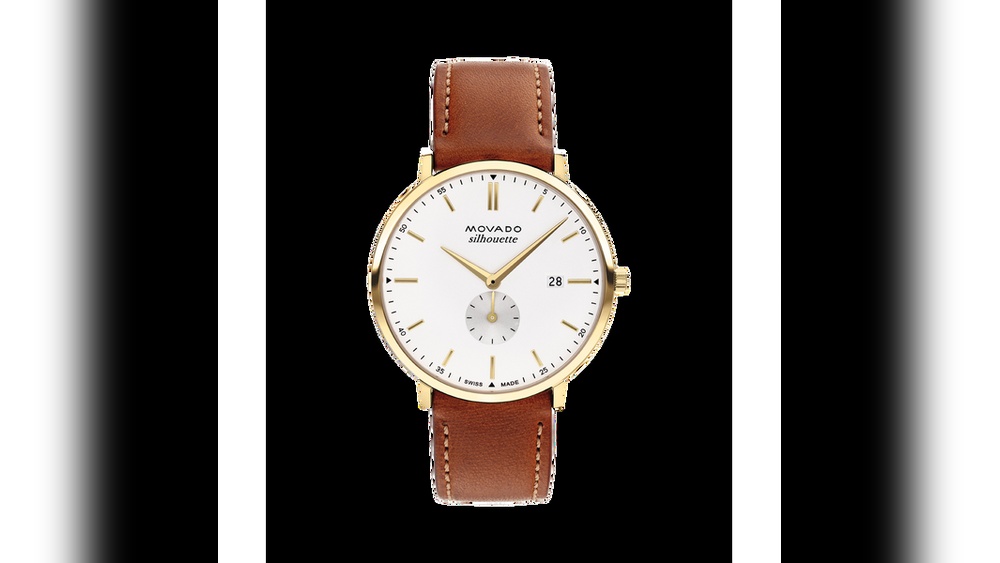
Heritage timepieces for men are more than just watches. They are stories on your wrist, symbols of status, and a connection to history and craftsmanship. Whether you are a first-time buyer or a passionate collector, choosing a heritage watch is a big decision. With so many brands and models available, it can be hard to know where to start. In this ultimate guide, you’ll discover the 7 best luxury heritage timepieces for men, learn what makes them unique, and understand how to pick the right one for your lifestyle.
A heritage timepiece is not just about telling time—it’s about holding a piece of tradition. The focus keyword “heritage timepiece for men” is at the heart of this guide, and you’ll see it throughout the article. This guide explores famous brands, compares top models, explains buying factors, and answers common questions.
If you want a watch that lasts for generations and keeps its value, read on.
—
—
A heritage timepiece for men is a wristwatch designed with classic style, high-quality materials, and long-lasting craftsmanship. These watches often come from brands with a long history, sometimes over 100 years old. A heritage watch usually features:
The term “heritage” refers to more than age—it’s about a brand’s story, its influence on watchmaking, and a sense of continuity. Some models have changed very little for decades, showing how good design can last. For example, the Omega Speedmaster was worn on the moon. The Rolex Submariner became a legend among divers. These watches are often handed down from father to son, making them more than just accessories—they become family treasures.
Many heritage watches are made in Switzerland, but there are also important models from Germany, France, and Japan. What connects them is the respect for tradition and the technical skill behind every piece.
Modern watches focus on new technology, like smartwatches with apps and fitness tracking. Heritage watches, on the other hand, celebrate tradition and mechanical skill. They don’t need batteries and are often made by hand. If you want a watch that represents both style and history, a heritage timepiece is for you.
Many people enjoy the “heartbeat” of a mechanical watch—the gentle ticking and the way it winds down and comes alive again. This mechanical soul is missing from most modern watches. Heritage timepieces also use materials that age beautifully, like leather straps that develop a unique patina or cases that show soft signs of wear, making each watch personal.
—
Men choose a heritage timepiece for many reasons. Here are the most important:
Many beginners think only new watches are valuable. In reality, a well-kept vintage watch from a respected brand can be worth much more than most new models. The key is provenance—knowing the watch’s history, original parts, and condition.
Another detail many miss: A watch’s value can be affected by tiny things like the type of dial, the font of the numbers, or the style of the hands. Collectors pay close attention to these small details, which is why original paperwork and boxes can add thousands to the price.
—
Choosing the best heritage timepiece for men is personal, but these seven luxury watches are famous worldwide. Each has a unique story, design, and value.
The Rolex Submariner is a legend in the world of diving watches. First released in 1953, it combines classic style with rugged durability. Its rotating bezel, waterproof case, and luminous markers make it practical for underwater adventures and daily wear.
The Submariner is famous for its “Oyster” case, which keeps water out even at great depths. Over the decades, the design has changed very little, showing its timelessness. The watch’s value also tends to rise, especially for older models with rare features.
Known as the Moonwatch, the Omega Speedmaster made history as the first watch on the moon in 1969. Its chronograph function, black dial, and tachymeter scale are iconic.
The Speedmaster is not just for space fans—it’s also a favorite among designers for its perfect dial layout. There are many versions, but the “Professional” is the most respected. The watch is easy to service and wears well with both jeans and a suit.
The Patek Philippe Calatrava is the definition of elegance. Since 1932, it has set the standard for dress watches. Its clean dial and slim profile fit under any shirt cuff.
Calatrava watches are known for their “less is more” approach. The finishing is so precise that even the inside of the case is decorated. Owners often say that Calatrava is the only dress watch you’ll ever need.
The Royal Oak changed watch design in 1972 with its octagonal bezel and visible screws. Designed by Gérald Genta, it’s both sporty and sophisticated.
The Royal Oak was a bold move for its time. It was the first high-end watch made in stainless steel, priced even higher than gold models. Its “tapisserie” patterned dial is a signature detail.
The Reverso was created in 1931 for British polo players. Its case flips to protect the watch face, making it practical and stylish.
You can even have the back engraved with initials or a special date. The Reverso has become a symbol of Art Deco elegance and engineering.
The Monaco became famous on Steve McQueen’s wrist in the movie “Le Mans.” Its square case and bold colors stand out.
Collectors love the Monaco for its strong personality and link to car racing. It was one of the first water-resistant square watches, and its unique shape still attracts attention today.
The Cartier Santos is one of the earliest men’s wristwatches, created in 1904 for aviator Alberto Santos-Dumont. Its rounded square design and exposed screws are instantly recognizable.
The Santos is a pioneer in the world of wristwatches. Unlike pocket watches, it was designed to be worn on the wrist from the start. The mix of sharp angles and smooth curves makes it a favorite for both men and women.
To help you compare these top models, here’s a summary:
| Model | Year Launched | Movement | Main Material | Key Feature |
|---|---|---|---|---|
| Rolex Submariner | 1953 | Automatic | Stainless steel | Dive watch legend |
| Omega Speedmaster | 1957 | Manual-wind | Stainless steel | First watch on moon |
| Patek Philippe Calatrava | 1932 | Automatic/Manual | Gold/Platinum | Elegant dress watch |
| Audemars Piguet Royal Oak | 1972 | Automatic | Steel/Gold | Luxury sports watch |
| Jaeger-LeCoultre Reverso | 1931 | Manual/Automatic | Steel/Gold | Reversible case |
| TAG Heuer Monaco | 1969 | Automatic | Stainless steel | Square chronograph |
| Cartier Santos | 1904 | Automatic/Quartz | Steel/Gold | Early wristwatch design |
—
When searching for the best heritage timepiece for men, brand reputation matters. Let’s look at what makes the top brands different.
Rolex is the most recognized luxury watch brand. Known for durability, precision, and value retention, it’s a safe choice for first-time buyers. The Submariner, Datejust, and Daytona are all icons.
Insider Tip: New Rolex models often have long waiting lists, but well-maintained vintage pieces can be just as impressive. The brand invests heavily in research, which is why their watches are so reliable in harsh conditions.
Omega mixes innovation with heritage. The Speedmaster, Seamaster, and Constellation lines are respected for their history and reliability.
Unique Feature: Omega often uses advanced materials like ceramic bezels and silicon hairsprings. Their “Master Chronometer” certification means extra accuracy and resistance to magnetic fields.
Patek Philippe stands for prestige. The Calatrava, Nautilus, and Grand Complications are sought after by collectors. These watches are hand-finished and usually hold or increase their value.
Non-Obvious Insight: Patek’s yearly production is much lower than Rolex or Omega, making their watches more exclusive. This low supply is one reason prices stay high.
Known for the Royal Oak, Audemars Piguet blends bold design with technical skill. Their open-worked dials and unique shapes stand out. The company is still owned by the founding family, which is rare in the industry.
Jaeger-LeCoultre is called “the watchmaker’s watchmaker. ” They invented the Reverso and many complex movements. They supply movements to other luxury brands, showing their technical strength.
TAG Heuer is famous for motorsports. The Monaco and Carrera are loved by racing fans. The brand is also known for its innovations in chronographs and timing technology.
Cartier is known for jewelry, but its watches like the Santos and Tank are true style icons. The brand often uses precious stones and creative shapes, making their watches popular among artists and designers.
Here’s a quick brand comparison:
| Brand | Founded | Famous Model | Starting Price | Value Retention |
|---|---|---|---|---|
| Rolex | 1905 | Submariner | $8,000 | High |
| Omega | 1848 | Speedmaster | $5,000 | Medium-High |
| Patek Philippe | 1839 | Calatrava | $20,000 | Very High |
| Audemars Piguet | 1875 | Royal Oak | $25,000 | High |
| Jaeger-LeCoultre | 1833 | Reverso | $7,000 | Medium |
| TAG Heuer | 1860 | Monaco | $4,000 | Medium |
| Cartier | 1847 | Santos | $6,500 | Medium |
—
Finding the perfect heritage timepiece for men is about more than budget. Here’s what matters:
Think about your lifestyle. Do you spend time in the water? Travel often? Attend formal events? The right watch fits your life.
Heritage watches range from $3,000 to over $100,000. Decide what you can spend and stick to it. Remember, maintenance costs (servicing every 3–5 years) add up. Higher-end watches may also require more expensive service, especially if they have complex movements.
If you’re starting out, consider watches with strong value retention. Some brands, like Rolex and Omega, have entry-level models that still offer classic heritage and reliability.
Tip: Only buy vintage from trusted dealers with original paperwork. Ask for a detailed service history.
Non-Obvious Insight: Vintage watches may have “tropical” dials—dials that changed color due to age and sunlight. Collectors pay a premium for these, but only if the aging is natural.
Mechanical watches require regular winding or wearing. If you prefer low maintenance, consider automatic models. Quartz movements are rare in heritage watches, but some brands (like Cartier Santos) offer them for convenience.
The movement affects the feel of the watch. Manual-wind watches are more interactive, while automatics are easier for everyday use.
Try the watch on if possible. The case should fit your wrist—not too large or small. Classic designs are more versatile.
Watch size is not just about case diameter. Lug-to-lug length, case thickness, and strap style all change how a watch feels. If you have a smaller wrist, try sizes under 40mm.
Choose well-known brands. They offer better value retention, global service, and prestige. Lesser-known brands can offer great quality, but may be harder to sell later.
Check online reviews, forums, and auction results to understand how a brand is viewed by collectors.
Counterfeit watches are common. Always ask for certificates, serial numbers, and original boxes. If buying online, use platforms that offer buyer protection.
Non-Obvious Insight: Some fakes are called “Frankenwatches”—they use real parts from many watches, but not from the same model or year. These are hard to spot and less valuable.
—
A heritage watch can last generations if cared for properly. Here’s how to keep it in top condition:
If your watch is exposed to saltwater, rinse it with fresh water and dry it completely. For leather straps, avoid getting them wet—moisture can damage leather and cause smells.
Store your paperwork and extra links in a safe place. These items help with resale and insurance.
If you need to change the strap, use the right tools or visit a watchmaker. Scratches from tools can lower the value.
Keep all papers, boxes, and receipts. If your watch is valuable, get it insured. This protects against loss, theft, or damage.
If you travel with your watch, check your insurance policy. Some only cover watches at home.
Non-Obvious Insight: Even small scratches can affect value. If you plan to resell, avoid polishing the case—it can remove original finishing. Collectors prefer natural wear over a shiny, over-polished case.
—
Many wonder if a heritage timepiece for men is a smart investment. The answer: sometimes, but not always. Here’s what you should know.
Collectors often look for “full set” watches—those with box, papers, and even the original sales receipt. These can sell for much more at auction.
If you buy a rare watch in poor condition, restoring it with non-original parts will lower the value. Some repairs can be almost as expensive as the watch itself, especially for older or complicated models.
Rolex Submariner prices have increased by 50% in the last 10 years (based on auction results). Some rare Patek Philippe models have sold for over $30 million at auction.
However, not every watch will go up in value. Most lose value after purchase and rise slowly if they become collectibles.
Buy a heritage watch because you love it, not just as an investment. The real value comes from wearing and enjoying the watch every day.
Non-Obvious Insight: Watches with a “story”—like those owned by celebrities or used in famous events—can be worth much more. If you see a watch with a famous previous owner, expect to pay a premium.
—
—
Modern luxury watches often use advanced technology, like quartz movements or smart features. A heritage timepiece for men focuses on traditional mechanical movements, classic designs, and historic value. Heritage watches are about legacy and craftsmanship, while modern watches may prioritize technology or fashion trends.
Check for original paperwork, serial numbers, and certificates. Buy only from authorized dealers or trusted vintage specialists. Look for signs of tampering, such as incorrect logos or poorly finished parts. Websites like the Swiss Watch Industry FH offer helpful guides.
Many heritage watches, especially dive models like the Rolex Submariner, are waterproof. However, vintage watches may lose their water resistance over time. Always have seals checked and avoid swimming with older watches unless they are freshly serviced and tested.
Service the watch every 3–5 years at an authorized service center. Store it in a dry place, away from magnets and chemicals. Wind it regularly if it’s mechanical. Keep all documentation and never polish the case if you want to preserve value.
Rolex, Patek Philippe, and Audemars Piguet are known for strong value retention. Limited edition and historic models often perform best. Research recent auction results and consult experts before buying for investment.
Both have advantages. New watches come with warranties and no hidden issues. Vintage models offer unique style and potential for appreciation, but require careful checking. Beginners may find it easier to start with new models from trusted dealers.
—
A heritage timepiece for men is more than a watch—it’s a lifelong companion, a piece of history, and a symbol of taste. Whether you choose a classic Rolex, a stylish Patek Philippe, or a bold TAG Heuer, your watch will tell your story for years to come. Take your time, do your research, and enjoy every moment with your ultimate heritage timepiece.
For more details on the world’s most famous watches, visit the official Rolex website.
The story of the Carriage Hill Traveller Timepiece is not just about a watch—it is about the art of travel,
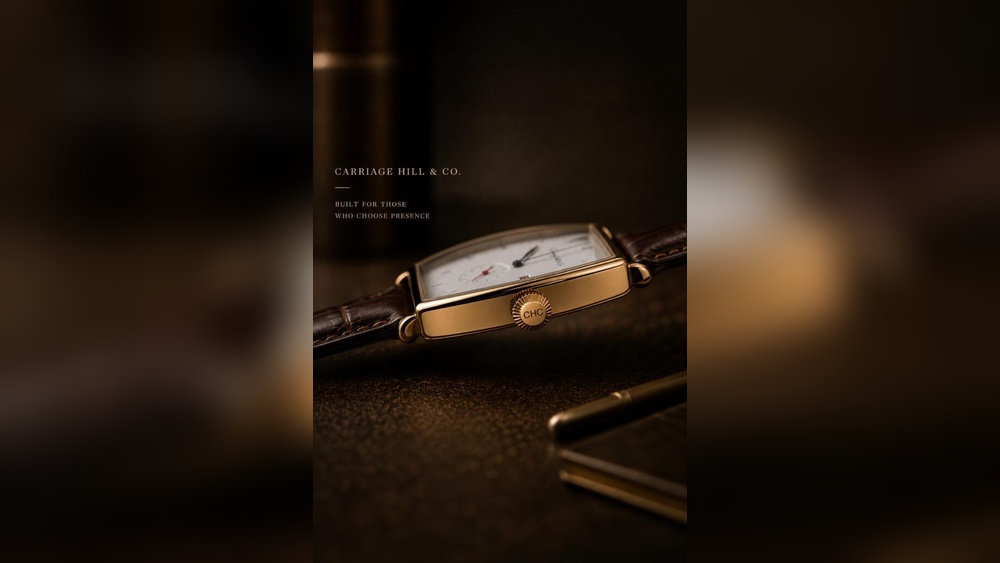
Carriage Hill And Co Watches: A Complete Guide If you search for a watch that blends tradition with modern style,
Carriage Hill Understated Luxury Watch: A Complete Guide A luxury watch is more than just a tool for telling time.
Finding a luxury dress watch under $700 is a rewarding challenge for style-conscious people who want elegance without the high
The world of luxury watches is filled with stories of craftsmanship, tradition, and innovation. Among these, the Carriage Hill Handcrafted
The world of watches is full of stories, tradition, and craftsmanship. For many people, a watch is not just a