
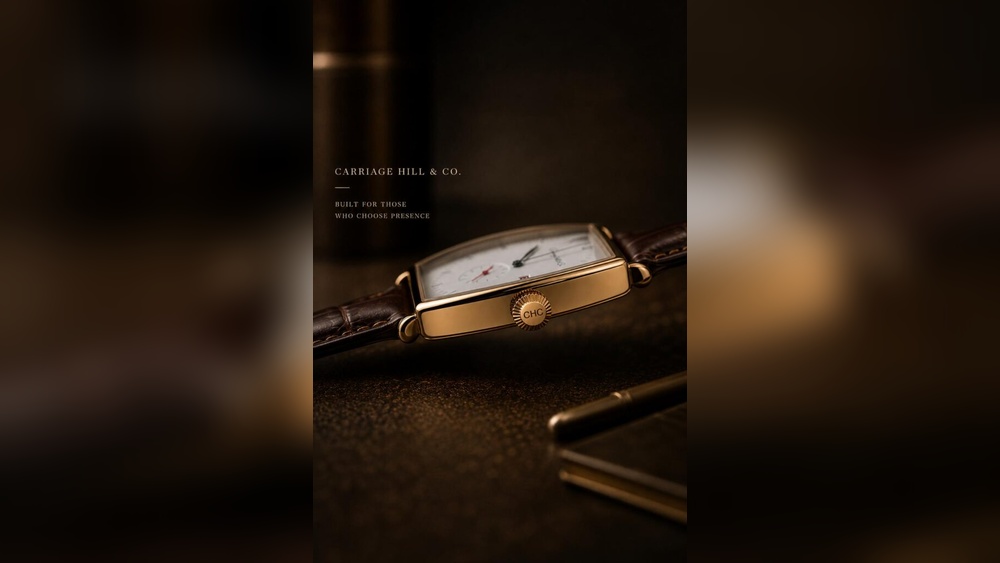
Watches
Carriage Hill Traveller Timepiece: Timeless Elegance Unveiled
The story of the Carriage Hill Traveller Timepiece is not just about a watch—it is about the art of travel,

Luxury watches are more than just timekeepers—they are a statement of taste, a symbol of achievement, and sometimes, a family treasure passed from one generation to the next. Choosing a luxury watch that lasts a lifetime is a decision that blends passion, knowledge, and investment sense. In this ultimate guide, you’ll discover what truly makes a luxury watch timeless, learn how to select the right one, and see the top 7 models that combine enduring quality, heritage, and value.
If you’re searching for the best luxury watch that lasts a lifetime, you’ll want more than just a beautiful dial or a famous logo. You need a timepiece with proven durability, serviceable engineering, strong resale value, and classic design—one that can be worn daily, admired in a collection, and even handed down to your children.
This article will help you navigate the world of luxury watches with practical advice, clear comparisons, and answers to questions every new collector asks. Along the way, you’ll see what sets legendary models apart, learn how to spot a true lifetime watch, and avoid costly mistakes.
—
—
A lifetime luxury watch is not just about price or brand. True longevity comes from a mix of factors that many new buyers overlook.
Mechanical Excellence:
The heart of any lasting watch is its movement. Swiss automatic or hand-wound movements are known for their reliability and serviceability. Brands like Rolex, Patek Philippe, and Omega use in-house movements tested for decades. These movements are made with extreme precision, often assembled by skilled watchmakers using tiny parts that must work together perfectly. A well-made movement, if cared for, can keep perfect time for generations. Look for watches with movements that have proven themselves over time, such as the Rolex Caliber 3135 or Omega’s Co-Axial Escapement. These are not just marketing terms—real watchmakers can service and repair these calibers for decades to come.
Beginners sometimes miss the importance of spare parts availability. Even the best movement can fail if you cannot get a replacement part 30 years later. Top brands store parts or can re-manufacture them for classic models.
Timeless Design:
A design that looks elegant today and 50 years from now is key. Classic dials, balanced proportions, and versatile styles never go out of fashion. Think of the Rolex Datejust or Jaeger-LeCoultre Reverso—they’ve looked nearly the same for generations. Unlike trendy watches that look dated after a few years, timeless designs are subtle and can be worn with any outfit, from a suit to a T-shirt. They don’t depend on current fashion trends, so your watch will always feel “right.”
An example: The Patek Philippe Calatrava’s minimalist dial has barely changed since the 1930s. Even the Omega Speedmaster, though a sports watch, keeps its appeal with a simple, functional chronograph layout.
Material Quality:
Lifetime watches use high-grade steel, gold, platinum, or titanium. These metals resist corrosion and scratches. Sapphire crystal, not regular glass, covers the dial for ultimate scratch resistance. Some brands use special alloys: Rolex has “Oystersteel,” a super-hard steel that’s more resistant to scratches. Others use ceramics for bezels that never fade or chip. When you look at a luxury watch, notice how the surfaces catch the light, and how the weight feels in your hand—these are signs of true quality.
A non-obvious detail: Cheaper watches may use mineral glass or regular stainless steel that scratches and dulls over time. In contrast, sapphire crystal keeps the dial clear for decades, and gold or platinum cases can be polished and restored.
Heritage and Serviceability:
A brand with a long history often means parts and skilled service are available for decades. Major houses keep archives and can restore even vintage pieces. Patek Philippe, for example, keeps records of every watch they’ve made since the 1800s.
This means they can repair or restore almost any watch, no matter how old.
Some independent or micro-brands don’t have this support network. If a small brand disappears, it may be impossible to service your watch in the future.
Resale and Legacy:
A true luxury watch keeps or increases its value. Some brands and models are known for high resale prices, making them a smart investment. A Rolex Submariner bought 20 years ago might now be worth more than its original price.
Patek Philippe watches often sell at auction for much more than retail, especially rare or limited models.
Non-Obvious Insight: Many beginners forget that a luxury watch’s value partly depends on serviceability—some rare or obscure brands can’t be easily repaired in 30 years, making them less suited for a lifetime. Also, not all “luxury” watches are made equally; some use outsourced movements or cheaper materials hidden by a famous logo.
—
Finding the perfect luxury watch that lasts a lifetime involves more than just picking a famous name. Here are key steps to follow:
Practical Example:
If you work in an office and attend formal events, a simple gold dress watch might fit your style. If you travel or enjoy sports, choose a robust, water-resistant model.
Luxury watches can cost anywhere from $3,000 to over $100,000. Decide how much you’re comfortable spending and remember to factor in future service costs. Servicing a complicated watch, such as a perpetual calendar, can cost much more than a simple three-hand watch.
Also, consider how much you value the “extras” like gold cases, diamonds, or brand prestige.
Tip:
Don’t stretch your budget too far. There are great watches at every price point. Sometimes, buying a classic steel model gives you more value and flexibility than an entry-level gold piece.
Non-Obvious Example:
Manual-wind watches have fewer parts that can fail than automatics (no rotor or winding gears), so some watchmakers argue they are easier to maintain long-term—if you don’t mind winding daily.
Stick to brands known for durability, heritage, and after-sales service. Consider:
Extra Guidance:
Check if your chosen brand has a large service network. Some smaller brands can be difficult to service outside big cities.
Avoid trendy or oversized models. Timeless shapes and dial colors (black, white, silver, blue) age gracefully. Complicated dials may look impressive now but can feel busy or old-fashioned in a few years. Simple dials with stick markers or Roman numerals tend to remain in style.
Example:
The Cartier Santos has kept its square case and clean dial for over a century. The Omega Speedmaster’s chronograph layout is instantly recognizable and easy to read.
A watch should feel comfortable and suit your wrist size. Try different cases (36–41mm is the classic range for men). For women, 28–34mm is common, but many prefer midsize or even larger watches today.
Practical Tip:
Don’t choose the largest watch just because it stands out. A well-fitted watch looks better and is more comfortable for long-term wear.
A long warranty (5+ years) and the ability to service the watch worldwide are important for a lifetime investment. Some brands (like Omega and Grand Seiko) offer up to 5-year warranties. Always register your watch with the brand and keep service records.
Non-Obvious Insight: Many first-time buyers forget that some luxury watches have expensive or hard-to-find replacement straps and bracelets. Make sure parts will be available decades later. For example, a vintage Patek Philippe with a unique lug shape may need a custom strap.
—
After careful research and real-world experience, these seven watches stand out as lifetime luxury watches. They each have a proven history, classic design, and are serviceable for decades.
The Rolex Submariner is the world’s most famous dive watch. Introduced in 1953, it set the standard for sports watches. Its Oystersteel case, ceramic bezel, and in-house movement make it nearly indestructible.
Details:
With its unidirectional bezel, screw-down crown, and luminous markers, the Submariner is both functional and elegant. Its design has only changed slightly in 70 years, showing Rolex’s commitment to evolution, not revolution. If you want a watch that works with both a suit and a swimsuit, this is a perfect choice.
Known as the “Moonwatch,” the Omega Speedmaster was worn during the Apollo 11 moon landing. Its classic chronograph design and manual-wind movement have changed little since the 1960s.
Details:
The Speedmaster’s appeal is in its history and reliability. NASA still uses the Speedmaster for missions, and Omega keeps producing spare parts for every model. Its hesalite (acrylic) crystal is easy to polish if scratched, and the dial is highly legible.
The Speedmaster can be serviced by any skilled watchmaker familiar with chronographs.
The Calatrava is the gold standard for dress watches. Since 1932, it’s been known for understated elegance and top-tier finishing. Patek Philippe’s service program can restore even 70-year-old models.
Details:
With its thin case, simple stick markers, and hand-polished finish, the Calatrava is a pure expression of Swiss luxury. It’s meant to be worn with formal wear but is subtle enough for everyday use. The movement is decorated by hand, and each model comes with a certificate of origin.
The Royal Oak, designed by Gérald Genta in 1972, introduced the luxury steel sports watch. Its octagonal bezel and integrated bracelet are instantly recognizable.
Details:
The Royal Oak broke the rules by combining luxury finishing with a steel case. Its “tapisserie” pattern dial and exposed screws set it apart. Collectors love the Royal Oak for its bold look and the fact that Audemars Piguet services even early models.
The bracelet is known for its comfort and distinctive look.
The Reverso was created in 1931 for polo players. Its art deco style and reversible case (to protect the dial) are both practical and beautiful.
Details:
The Reverso’s party trick is its case that flips to protect the dial—originally so polo players wouldn’t break their watch. Today, it’s a favorite for engraving family crests or initials. The rectangular design is timeless, and Jaeger-LeCoultre is known for producing its own movements.
One of the oldest watch brands, Vacheron Constantin offers the Patrimony line for those who want quiet luxury. Its ultra-thin cases and in-house movements represent Swiss watchmaking at its best.
Details:
The Patrimony is all about elegance and simplicity. Its ultra-thin movement means it slides under any shirt cuff. Vacheron Constantin’s service is world-class, and their watches are known for lasting generations.
The Cartier Santos was the world’s first men’s wristwatch, designed for aviator Alberto Santos-Dumont in 1904. Its square case and exposed screws are instantly recognizable.
Details:
The Santos has a comfortable bracelet with a quick-change system for straps. Its Art Deco styling suits both men and women. Cartier has boutiques in every major city, making service straightforward. The design is easy to recognize but never flashy.
Non-Obvious Insight:
When choosing among these, consider your personal lifestyle. For example, the Submariner is a better choice for someone active, while the Calatrava or Patrimony is perfect for those who dress formally.
—
Not all luxury watches keep their value equally. Some are better choices if you want to pass on wealth or ensure your watch is still worth something in 30 years. Here’s a simple comparison of the seven best lifetime watches:
| Watch | Typical 10-Year Value Retention | Ease of Resale | Serviceability |
|---|---|---|---|
| Rolex Submariner | 90–110% | Very High | Excellent |
| Omega Speedmaster | 80–90% | High | Excellent |
| Patek Philippe Calatrava | 85–120% | High | Excellent |
| Audemars Piguet Royal Oak | 90–115% | High | Excellent |
| Jaeger-LeCoultre Reverso | 70–90% | Medium | Excellent |
| Vacheron Constantin Patrimony | 75–90% | Medium | Excellent |
| Cartier Santos | 70–90% | Medium | Excellent |
Key Insights:
Non-Obvious Tip:
Watch condition and having original box and papers can add 10–30% to resale value. Watches that are “unpolished” (never refinished) are often worth more to collectors.
—
A luxury watch that lasts a lifetime requires proper care. Even the best engineering can’t overcome neglect. Follow these steps to keep your timepiece in top shape:
Practical Example:
A Rolex Submariner owner who services the watch every five years will find it running like new even after decades, while a neglected watch may develop rust or wear.
Non-Obvious Tip:
If you have multiple watches, rotate wearing them so each gets some “exercise. ” This keeps the lubricants distributed and prevents them from hardening.
Extra Guidance:
Do not use harsh chemicals or ultrasonic cleaners unless the manufacturer recommends it. Vintage watches especially can be damaged by aggressive cleaning.
Practical Example:
If you own a Reverso with a leather strap, take it off when washing hands and store it in a cool, dry place to prevent cracking.
Non-Obvious Tip:
Vintage watches, even if rated “waterproof” when new, may not be water-resistant after decades. Always check gaskets and seals before exposing to water. If you inherit a vintage watch, have it pressure-tested before swimming or showering with it.
Long-Term Storage:
If storing a watch for years, have it serviced and store it with the crown pulled out to reduce tension on the movement (ask your watchmaker if this is right for your model).
—
Many myths surround lifetime luxury watches. Avoid these common errors:
High price doesn’t always equal durability. Some designer brands use fashion movements that aren’t built for decades of use. Always research the movement and brand history, not just the retail price.
Not all limited editions keep value. Some are hard to resell or service. Mainstream classics are usually a safer bet. For example, a limited edition from a small brand may lose value quickly if the company closes.
Oversized watches may go out of style, and larger cases can be uncomfortable for daily wear. A classic size is easier to wear and fits most occasions.
A watch can last generations, but only if it’s maintained. Budget $500–$1,500 for each service, depending on the brand. Complications (like chronographs or calendars) can cost much more.
A watch with original box and papers is worth 10–30% more on the resale market. Always keep them safe. If gifting or inheriting a watch, pass on these documents as well.
Polishing a watch case can round off edges and reduce collector value. Only polish when necessary, and always ask for a “light” polish.
Non-Obvious Insight:
Don’t fall for “in-house movement” marketing if the brand has no service history. Some “in-house” movements are just modified versions of standard designs and may be harder to service.
—
Here’s a quick comparison to help you spot a timeless luxury watch versus a trendy one that might not age well:
| Classic Watch Features | Trendy Watch Features |
|---|---|
| Simple dial, no date or a small date window | Oversized cases, colorful dials |
| Steel, gold, or platinum case | Ceramic, carbon, or flashy coatings |
| Leather or metal strap | Rubber or exotic straps |
| Brand with 50+ years of history | New or fashion brands |
| Serviced by brand’s network | Hard-to-find parts or service |
| Classic, elegant proportions | Chunky, experimental designs |
| Easy-to-read dial | Complicated, busy dial |
Non-Obvious Example:
A simple three-hand Omega Seamaster is more likely to be wearable in 30 years than a bright green, 48mm limited edition with a cartoon character on the dial.
—
—
—
For a deeper look at luxury watch history, see the Luxury Watch Wikipedia page.
—
The Rolex Submariner is often considered the best all-around choice. It is durable, water-resistant, has a timeless design, and is easy to service anywhere in the world. It holds its value and is comfortable for daily use. Other good options include the Omega Speedmaster (if you prefer a chronograph) or the Cartier Santos for a dressier look.
Most mechanical luxury watches need servicing every 3 to 7 years. This keeps the movement running smoothly and protects against wear. Always use authorized service centers for best results. If you wear your watch daily in harsh conditions (saltwater, dust, heat), service may be needed more often.
Vintage watches can be great, but they may need more care and expert servicing. Some parts can be hard to find. If you buy vintage, pick a model with a strong service network and clear history. Always have a vintage watch checked by a professional before regular use.
Some luxury watches, especially from Rolex and Patek Philippe, can increase in value. However, value depends on brand, model, condition, and market trends. Not all watches appreciate, so buy for love and longevity first. If investment is your main goal, stick to classic, well-known references.
A luxury watch is made with high-quality materials, has a mechanical movement, and is built to last decades or more. A fashion watch focuses on appearance and brand but may not have the same durability or serviceability. Luxury watches are often hand-assembled and can be repaired for generations.
It can be, but only buy from authorized dealers or well-known resellers. Always ask for original papers, box, and a service history. If the price seems too good to be true, it probably is.
—
Choosing a luxury watch that lasts a lifetime is one of the most rewarding journeys in personal style and investment. Take your time to research, try on different models, and focus on quality over hype. With the right watch, you’ll have a companion that marks life’s moments, carries memories, and maybe even becomes a cherished family heirloom.
The story of the Carriage Hill Traveller Timepiece is not just about a watch—it is about the art of travel,
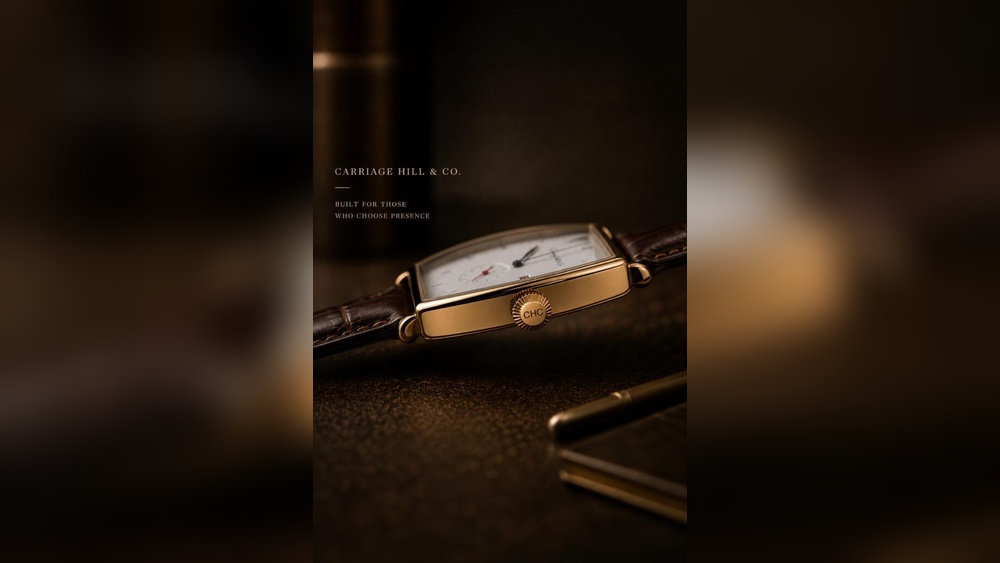
Carriage Hill And Co Watches: A Complete Guide If you search for a watch that blends tradition with modern style,
Carriage Hill Understated Luxury Watch: A Complete Guide A luxury watch is more than just a tool for telling time.
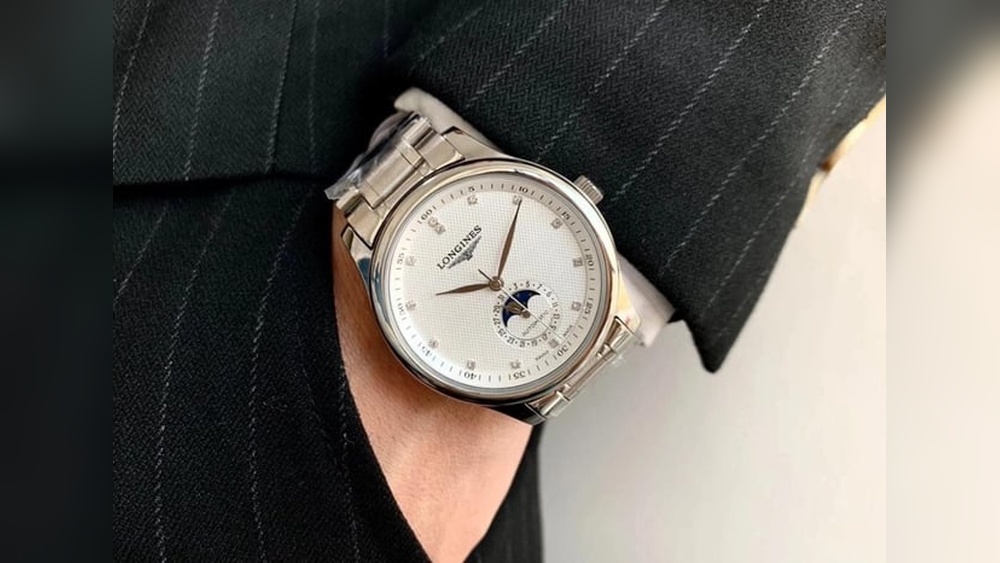
Finding a luxury dress watch under $700 is a rewarding challenge for style-conscious people who want elegance without the high
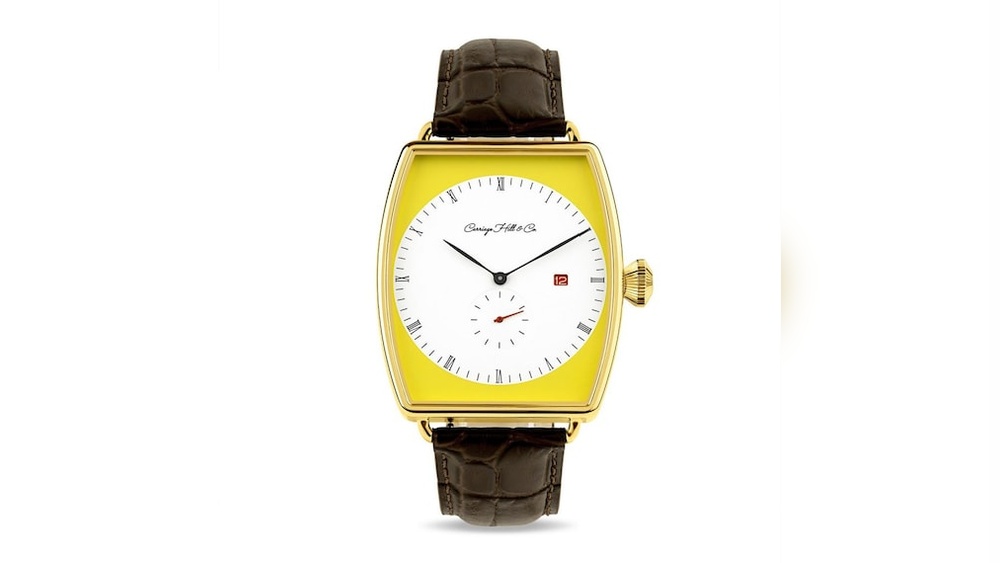
The world of luxury watches is filled with stories of craftsmanship, tradition, and innovation. Among these, the Carriage Hill Handcrafted
The world of watches is full of stories, tradition, and craftsmanship. For many people, a watch is not just a