
Watches
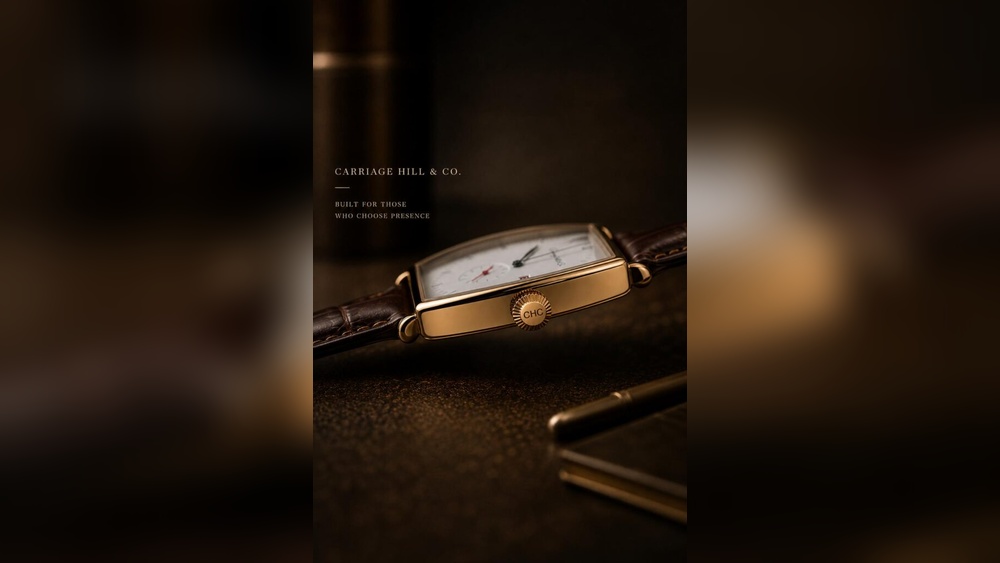
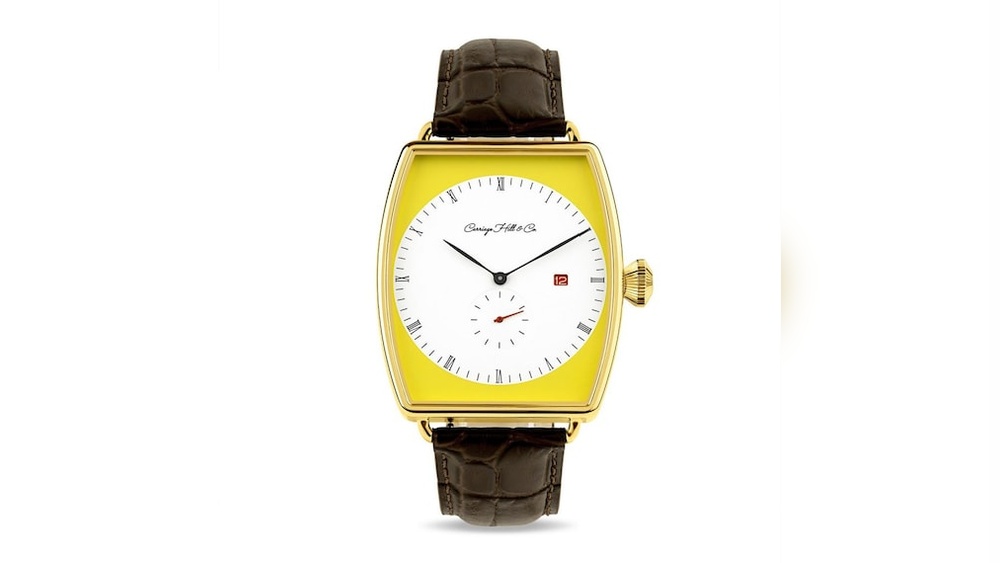
Carriage Hill Traveller Timepiece: Timeless Elegance Unveiled
The story of the Carriage Hill Traveller Timepiece is not just about a watch—it is about the art of travel,
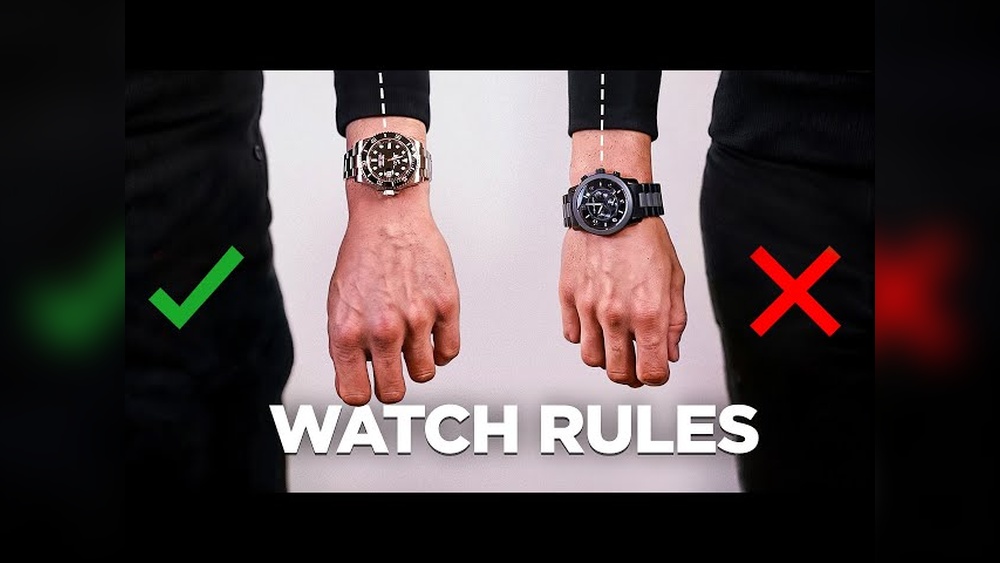
Wearing a watch seems simple, but the question what wrist do you wear a watch on sparks real debate. Is there a “correct” wrist for your timepiece? Should it be left or right, and does it matter if you’re left-handed or right-handed? The answer is more interesting than most people think. This ultimate guide breaks down everything you need to know, from tradition and practicality to style, etiquette, and even medical reasons. Whether you just bought your first luxury watch, want to know if you’re wearing it “right,” or simply want to understand the history, these seven best insights will give you a clear answer.
Many people have strong opinions about which wrist a watch belongs on. Some say it’s all about dominant hand, others focus on tradition, and some just want their watch to feel comfortable. This guide uses research, expert opinions, and real-world data to help you choose the best option for you.
Below, you’ll find a detailed Table of Contents to help you navigate the article and find the answers you need quickly.
—
For decades, people have asked “what wrist do you wear a watch on?” You might think this is a small detail, but it’s more important than many realize.
First, a watch is not just for telling time. It’s a statement accessory, a piece of technology, and sometimes even a symbol of status. The wrist you choose can affect comfort, appearance, and how others see you.
There are also practical reasons. For example, wearing a watch on your non-dominant hand can reduce scratches and damage, especially if you work with your hands. Athletes, surgeons, and even pilots pay attention to which wrist holds their watch.
In some cultures, the wrist you choose sends a message about your personality or background. For others, it’s tied to family traditions. Finally, in the digital age, smartwatches and fitness trackers have changed the rules, making the question even more relevant.
So, understanding why this question matters is the first step to making the right choice for yourself.
Wearing a watch on a particular wrist is not just a modern trend. The history goes back more than a hundred years.
In the 19th century, men mostly used pocket watches. These were carried in the vest or jacket pocket and attached by a chain. Wristwatches were rare and seen as jewelry for women.
During World War I, soldiers needed to check the time quickly. Pocket watches were slow and could be dangerous in combat. So, they started strapping watches to their wrists. Most were right-handed, so they wore the watch on the left wrist for easy access with the right hand.
Over time, wearing a watch on the left wrist became the standard. Watchmakers designed crowns (the small knob to set the time) on the right side of the watch face. This made it simple to adjust the watch while it was on the left wrist, using the dominant right hand.
For years, watches were marketed differently to men and women. Men’s watches were usually larger and worn on the left, while women’s watches were seen as jewelry and could be worn on either wrist.
With the invention of digital watches in the 1970s and later, smartwatches, things changed. These watches often allow you to choose the wrist in the settings, and some even flip the display to match your preference.
Here’s a quick look at how watch-wearing habits evolved over time:
| Year/Period | Common Watch Type | Typical Wrist | Key Reason |
|---|---|---|---|
| 1800s | Pocket Watch | Pocket, not wrist | Fashion and function |
| WWI (1914-1918) | Wristwatch | Left wrist | Military practicality |
| 1940s–1970s | Mechanical Wristwatch | Left wrist (men), either (women) | Standardization |
| 1980s–2000s | Digital Watch | Mostly left wrist | Habit and design |
| 2010s–Now | Smartwatch | Either wrist | User preference |
Key insight: The reason most people wear their watch on the left is not law or strict rule—it’s a mix of tradition, design, and practicality.
One of the most common reasons for wearing a watch on a specific wrist is your dominant hand. But what does this really mean for comfort and convenience?
Most people are right-handed (about 85–90% of the world). Wearing a watch on the left wrist keeps the dominant right hand free for tasks like writing, eating, and handling objects. This reduces the risk of scratching or damaging the watch.
Example: If you’re right-handed and wear your watch on your right wrist, you might hit it against desks, doors, or tools more often.
About 10–15% of people are left-handed. Many left-handed people choose to wear their watch on the right wrist for the same practical reasons. However, since most watches are designed with the crown on the right, left-handed users may find it hard to adjust the time while wearing the watch.
Some brands now make “left-handed watches” (also called destro watches) with the crown on the left side.
Think about your day:
These questions help you decide which wrist is best. For example, chefs, carpenters, and surgeons often choose the non-dominant hand to avoid damage and keep their hands free.
Some left-handed people still wear their watch on the left. This might be habit, style, or because they learned from a right-handed parent. Some right-handed people wear it on the right wrist for cultural or personal reasons.
Non-obvious insight: If you use both hands equally (ambidextrous), try wearing your watch on both wrists for a few days each to see which feels more natural.
| Factor | Left Wrist | Right Wrist |
|---|---|---|
| Standard for most people | Yes | No |
| Dominant hand free (right-handed) | Yes | No |
| Dominant hand free (left-handed) | No | Yes |
| Easy to adjust crown | Yes (for most watches) | No (unless left-hand model) |
| Common for smartwatches | Yes | Yes |
Choosing what wrist to wear a watch on is not just about practicality. It’s also a style decision that sends signals to others.
Watch brands and style icons have influenced trends for decades. For example, James Bond (often played by right-handed actors) famously wore his watch on the left. Some celebrities, like Justin Bieber, wear watches on both wrists as a fashion statement.
If you want to follow modern style advice, here are some tips:
Believe it or not, some people judge others based on the wrist they wear their watch on. In business, a watch on the left wrist is sometimes seen as traditional and professional. A watch on the right wrist can be viewed as unique or rebellious, but also as left-handed or nonconformist.
Traditionally, men wore watches on the left wrist, while women sometimes wore them on the right as jewelry. Today, these gender rules are less strict, and everyone is free to choose based on personal style.
Some style experts suggest stacking (wearing multiple accessories on one wrist) to create a fashion statement. For example, you might wear your watch and a bracelet on the same wrist for a stylish look.
Practical tip: If you wear bracelets with your watch, choose materials that won’t scratch the watch face.
Luxury watch brands like Rolex, Omega, and Patek Philippe usually show their watches on the left wrist in ads. This is partly tradition, but also because the watch crown is on the right, making it easy for most people to set the time.
A 2020 survey by a watch magazine found:
Non-obvious insight: Some people switch wrists to avoid tan lines or wrist fatigue, especially if they wear a heavy watch.
While tradition and practicality are important, cultural norms and gender roles also shape the answer to “what wrist do you wear a watch on?”
In some cultures, the wrist you choose is deeply tied to tradition:
As mentioned, men and women have followed different rules in the past. Women’s watches were often smaller and styled as jewelry. They might be worn on either wrist, depending on fashion trends.
Today, these lines have blurred. Many women wear larger watches on the left wrist, and men experiment with style more than ever.
In some societies, wearing a watch on a certain wrist signals social class, education, or even political views. However, these meanings are fading in the globalized world.
Some military organizations have strict rules about which wrist a watch must be worn on. For example, the US Army recommends the left wrist, but allows the right if the soldier is left-handed.
A few cultures believe that watches (like rings) should be worn on a specific hand for good luck or spiritual reasons. For example, in some parts of India, a watch on the right wrist is seen as lucky for women.
| Region | Common Wrist | Special Notes |
|---|---|---|
| North America/Europe | Left | Standard for most, but flexible |
| Russia/Eastern Europe | Right | Some see it as more masculine |
| Middle East/India | Right | Religious/cultural reasons |
| Japan/China | Left | Western influence, no strict rule |
Key takeaway: While the left wrist is common in the West, always consider local customs if you’re traveling or living abroad.
Beyond culture and style, there are medical and technical reasons for choosing a wrist for your watch.
Many smartwatches can track heart rate, blood pressure, and other health data. It’s important to follow the device maker’s instructions for best results. Some recommend the non-dominant wrist for more stable readings, since the dominant hand moves more and can affect accuracy.
If you have sensitive skin, eczema, or allergies, you might need to switch wrists to avoid irritation. Sometimes, sweat or friction from a metal band can cause a rash.
People with injuries, arthritis, or limited mobility in one hand may choose to wear their watch on the other wrist. For example, if you broke your left arm, you’d probably wear your watch on the right until you healed.
Non-obvious insight: For people with tremors (such as Parkinson’s disease), some smartwatches recommend wearing the device on the less-affected side to reduce false readings.
Most traditional watches have the crown on the right, designed for left wrist use. If you wear your watch on the right wrist, you may need a special model or get used to adjusting the crown with your left hand.
For smartwatches, many allow you to set the display for either wrist in the settings. This helps with comfort and ensures features like the heart rate monitor work correctly.
A “destro” watch is designed for the right wrist, with the crown on the left side of the case. These are made for left-handed people but can be worn by anyone who prefers the right wrist.
Some famous brands that make destro watches:
These models are less common and sometimes more expensive due to lower production.
Wearing your smartwatch on the non-dominant hand can help save battery life, since the device may track fewer movements and false steps.
Pro tip: Always check your watch’s user manual for wrist recommendations. For example, Apple Watch lets you set your preferred wrist for optimal tracking.
Apple recommends wearing the Apple Watch on your non-dominant hand for most accurate data collection. You can set your preferred wrist in the device settings.
For more detailed instructions, see the official Apple Support page.
After all the history, culture, and advice, you might wonder: what’s the final answer to “what wrist do you wear a watch on?”
Short answer: There’s no absolute rule, but most people wear their watch on their non-dominant hand (left wrist for right-handed, right wrist for left-handed). The reasons are tradition, practicality, and comfort.
But the real answer is more personal. Here’s what you should consider:
Final insight: If you’re not sure, try both wrists for a few days each. Notice which feels more natural and fits your routine. There’s no “wrong” answer—only what works for you.
Most right-handed people wear their watch on the left wrist. This keeps the dominant right hand free for writing, eating, and other tasks. It also reduces the risk of damaging the watch. Traditional watches are designed for this, with the crown on the right side for easy adjustment.
Yes, you can wear a watch on your dominant hand if you prefer. Some people do this for style or comfort. However, it may be less practical, as your watch could get in the way or be more easily damaged during daily activities. If you do, consider a slim or rugged model to reduce scratches.
There are no strict rules today. Traditionally, men wore watches on the left wrist and women on either wrist, often as jewelry. Modern fashion allows anyone to choose based on comfort, style, and personal preference. The most important thing is what feels right for you.
Some wear watches on both wrists for practical reasons (one analog, one digital or smartwatch), while others do it for style or to track different activities. For example, athletes might wear a fitness tracker on one wrist and a traditional watch on the other. It’s rare, but becoming more popular with the rise of smart devices.
For most smartwatches, the wrist you choose can affect accuracy for health tracking. Most brands recommend the non-dominant wrist for stable readings, especially for heart rate and step count. Always check your device’s manual and set the correct wrist in the app or settings.
—
Image suggestion: A high-quality photo of a person wearing a watch on the left wrist, with another person wearing it on the right, showing both styles.
ALT text: what wrist do you wear a watch on – left and right wrist examples
Video suggestion: A short explainer video comparing watch-wearing styles around the world or a “how to choose the right wrist for your watch” guide.
For more about the history of wristwatches and cultural habits, see the Wikipedia Wristwatch Article.
Internal link suggestions:
In the end, the answer to what wrist do you wear a watch on is personal. Consider your hand dominance, comfort, culture, and style. Remember, the most important rule is to enjoy your watch—on whichever wrist feels right for you.
The story of the Carriage Hill Traveller Timepiece is not just about a watch—it is about the art of travel,
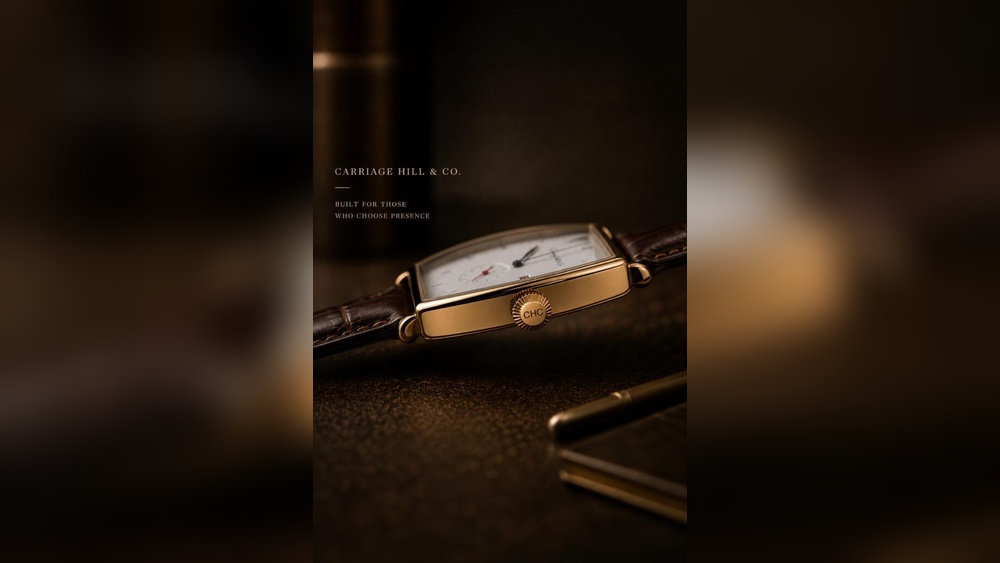
Carriage Hill And Co Watches: A Complete Guide If you search for a watch that blends tradition with modern style,

Carriage Hill Understated Luxury Watch: A Complete Guide A luxury watch is more than just a tool for telling time.
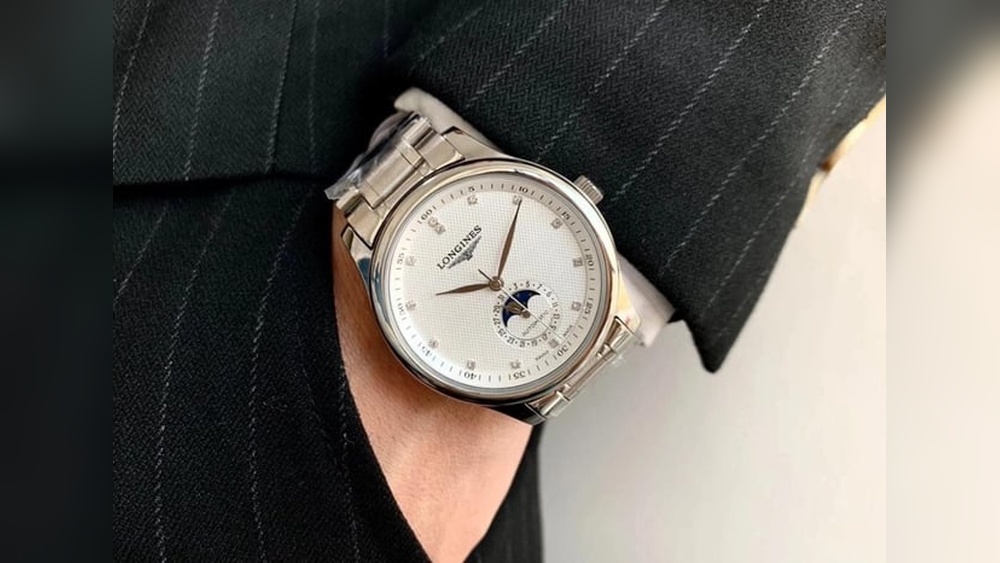
Finding a luxury dress watch under $700 is a rewarding challenge for style-conscious people who want elegance without the high
The world of luxury watches is filled with stories of craftsmanship, tradition, and innovation. Among these, the Carriage Hill Handcrafted
The world of watches is full of stories, tradition, and craftsmanship. For many people, a watch is not just a